
💬 Live Customer Support / 🌐 Available in 28 Languages / 💳 Secure Payments
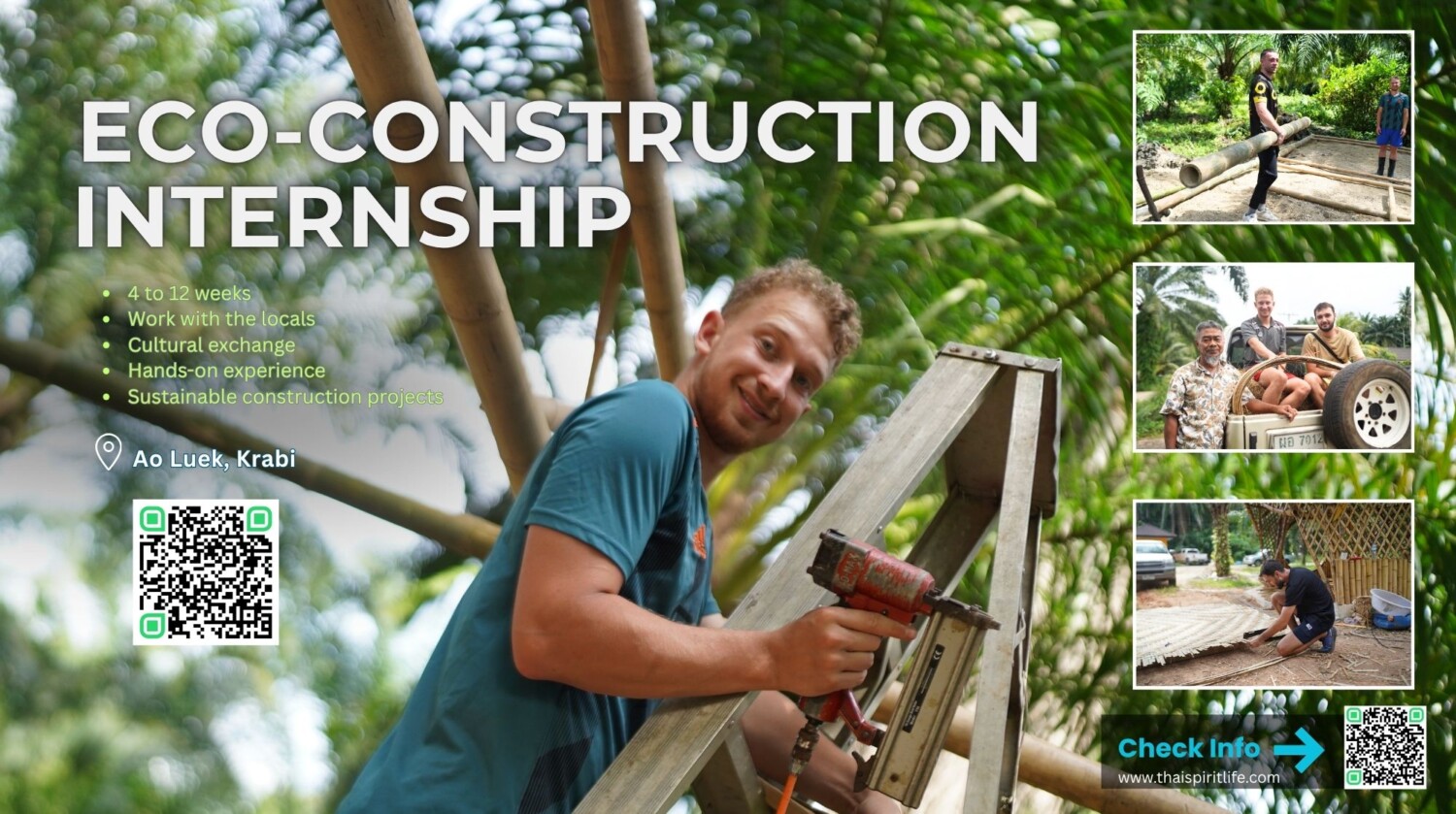
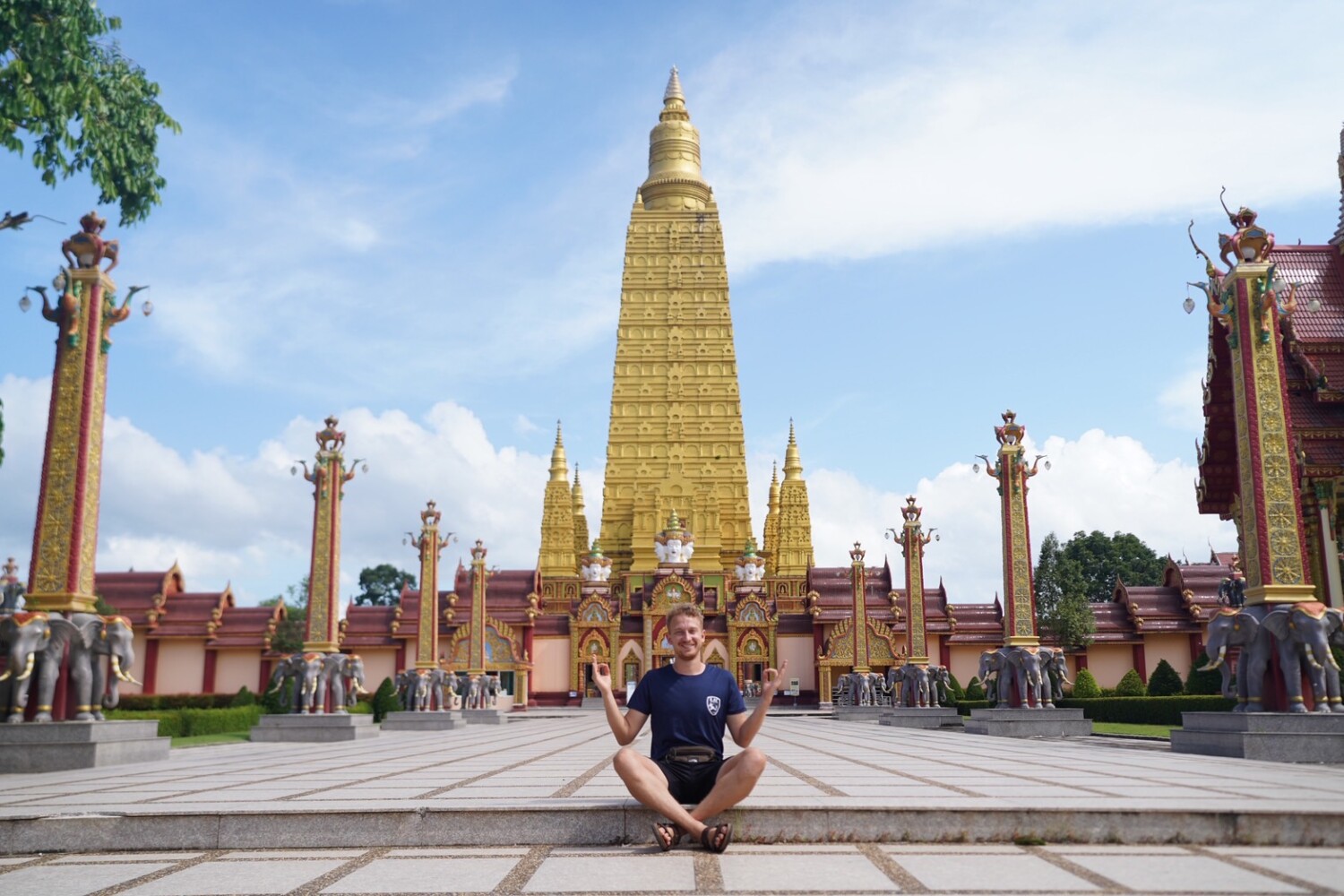
Krabi, Thailand.
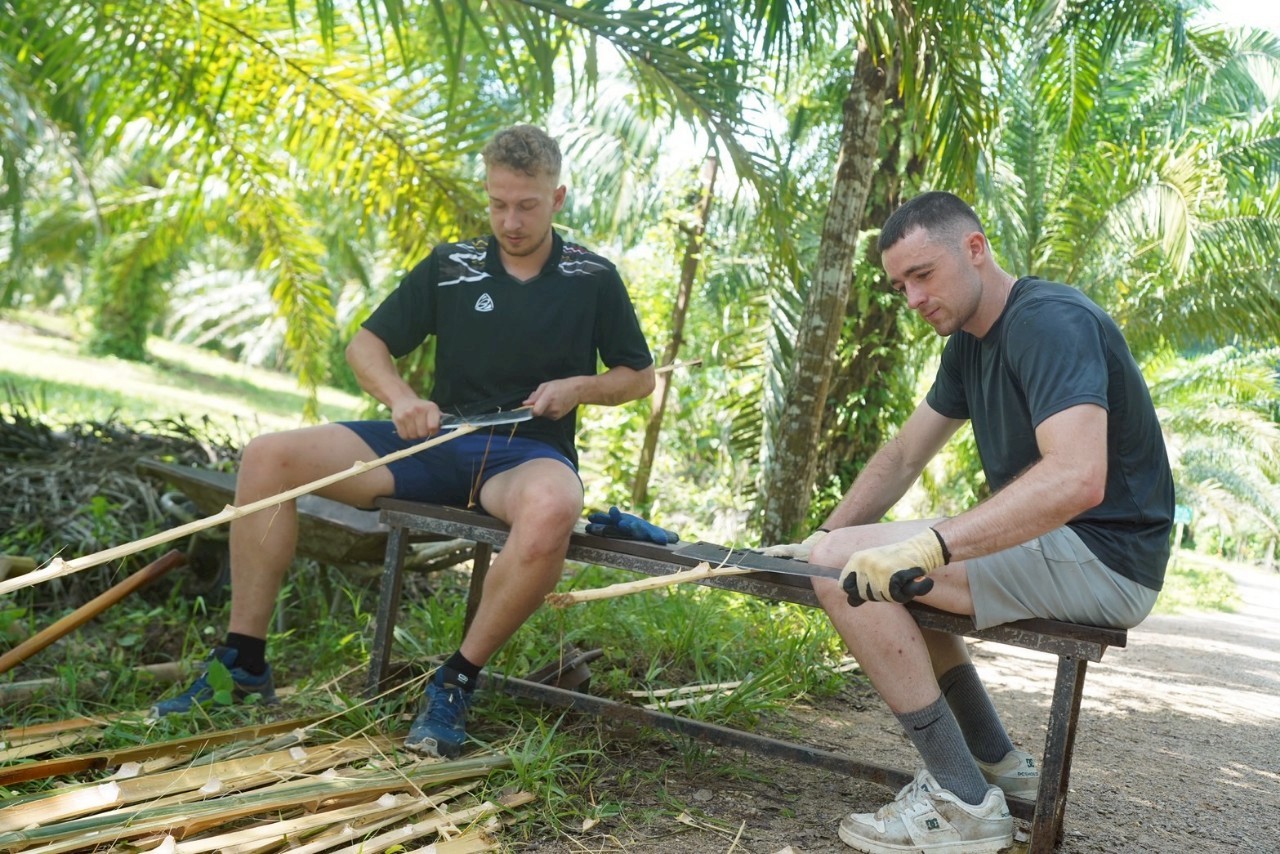
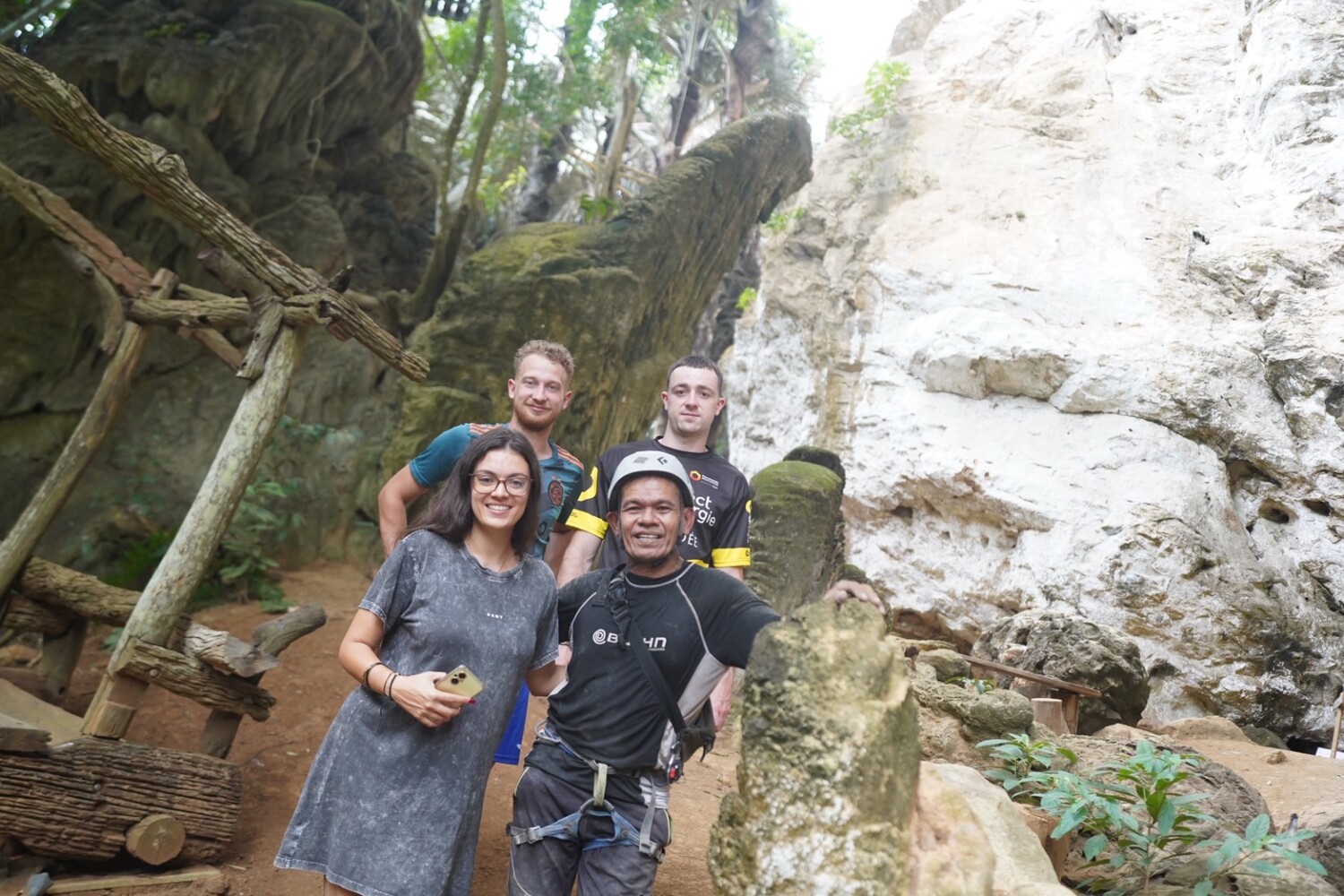
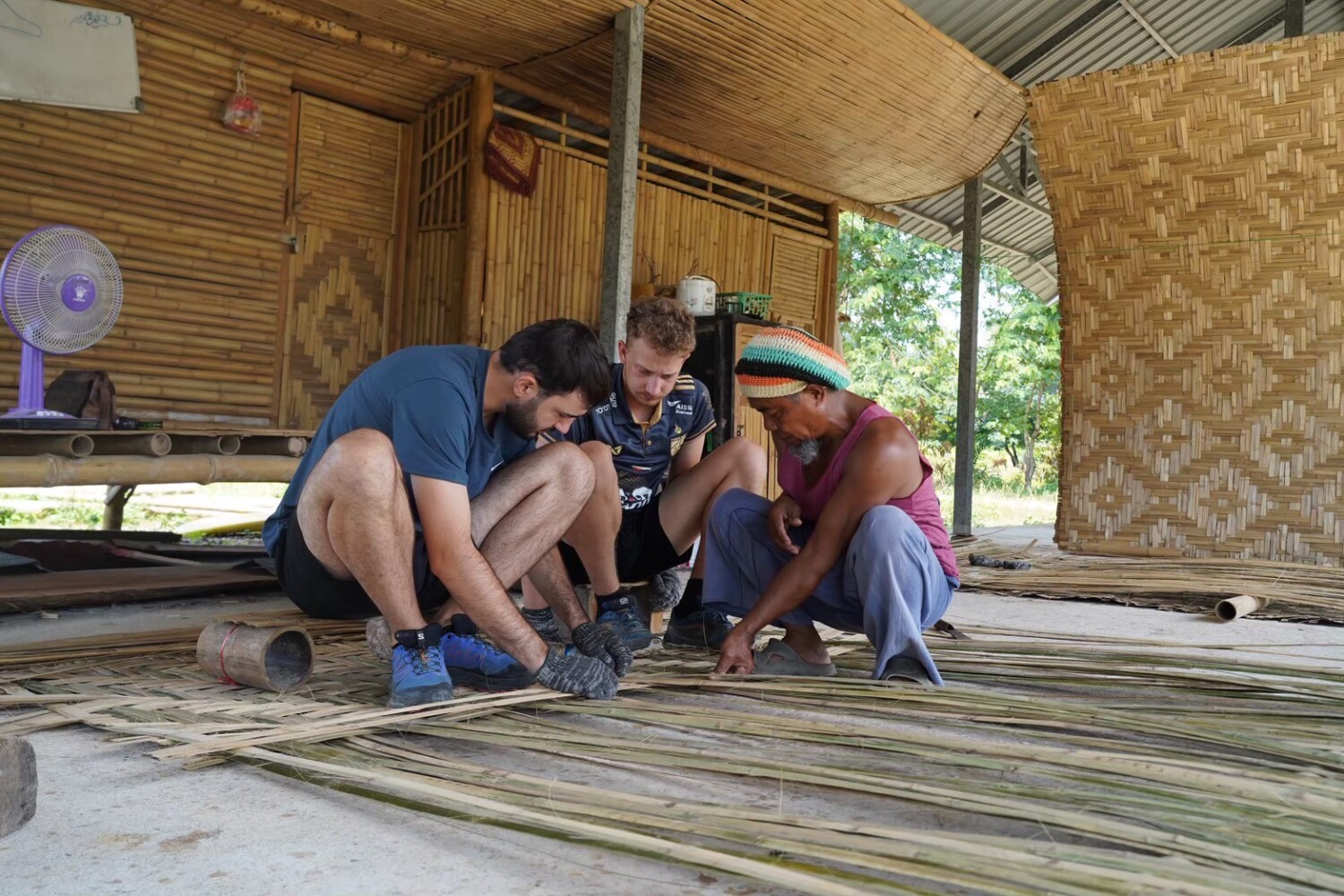
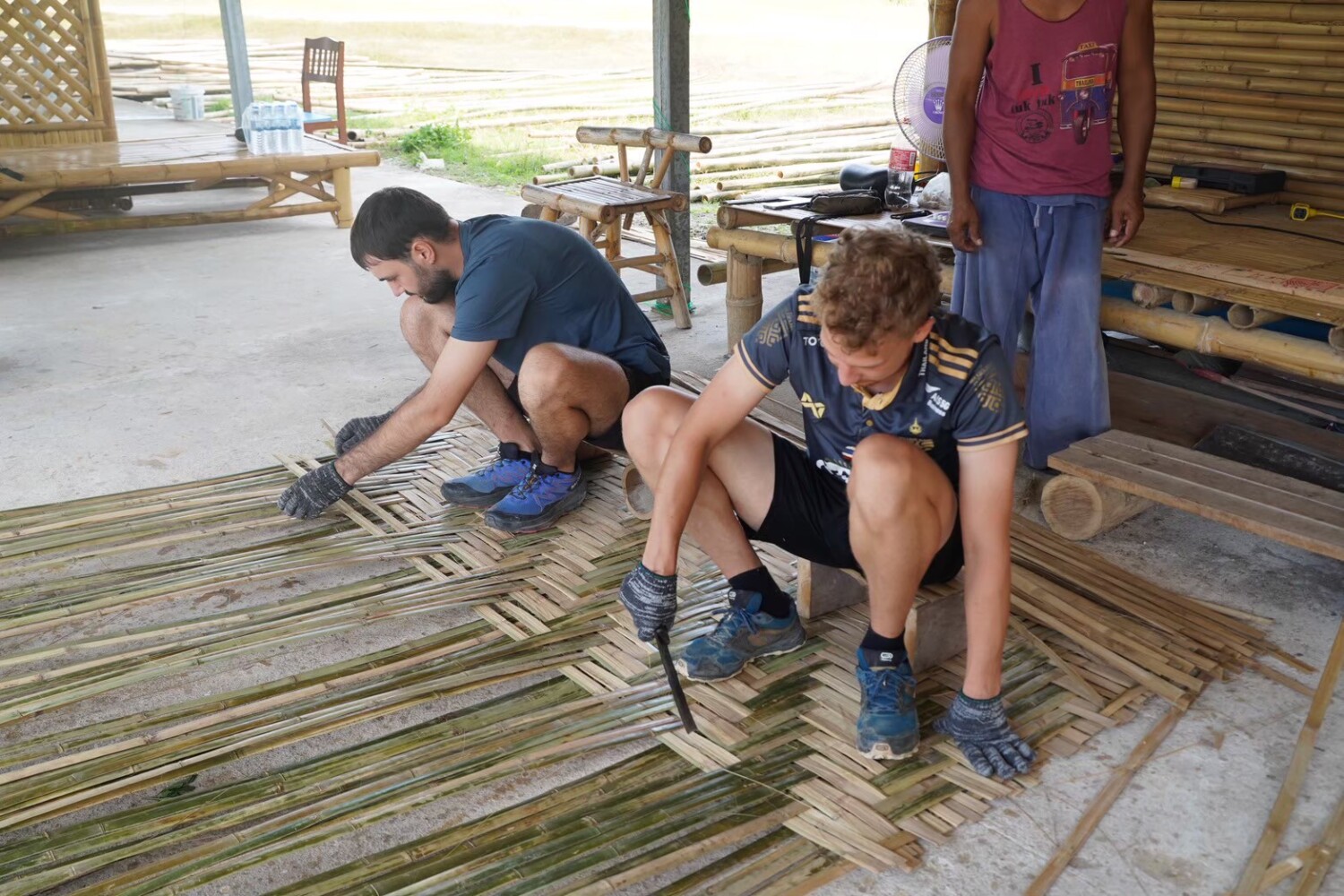
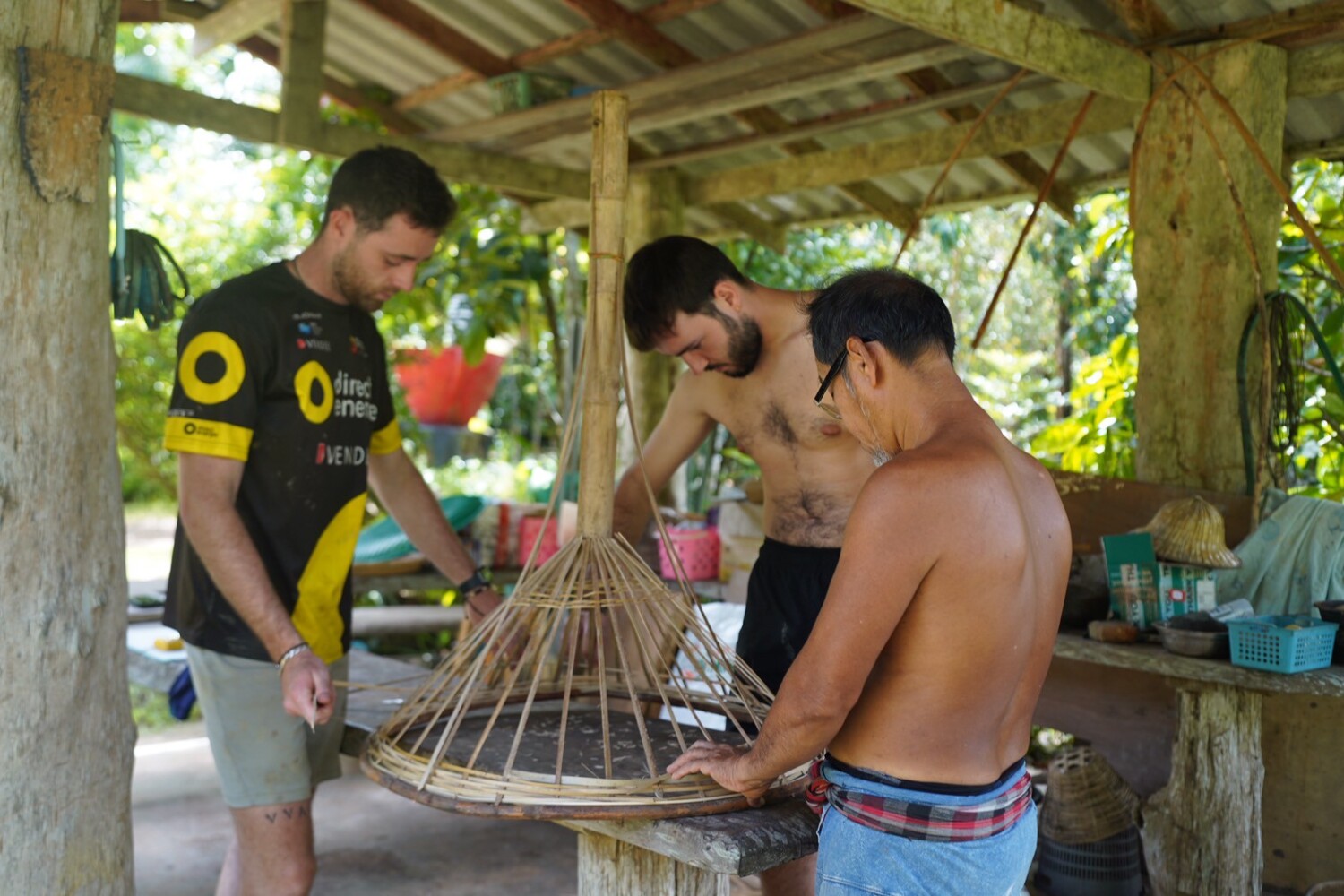
The Eco-Construction Internship is a hands-on field experience designed for students interested in sustainable building methods, natural materials, and community-based projects.
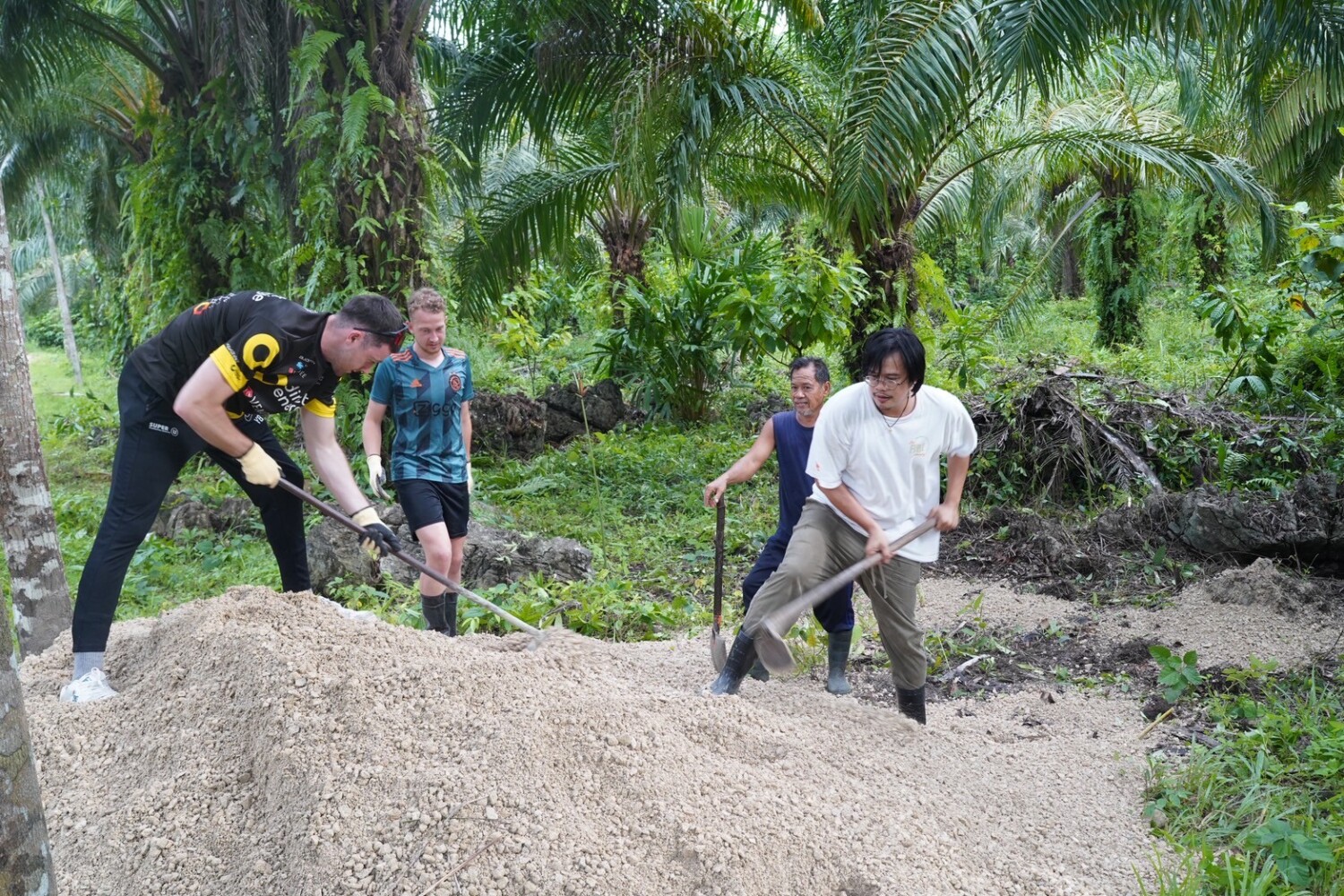
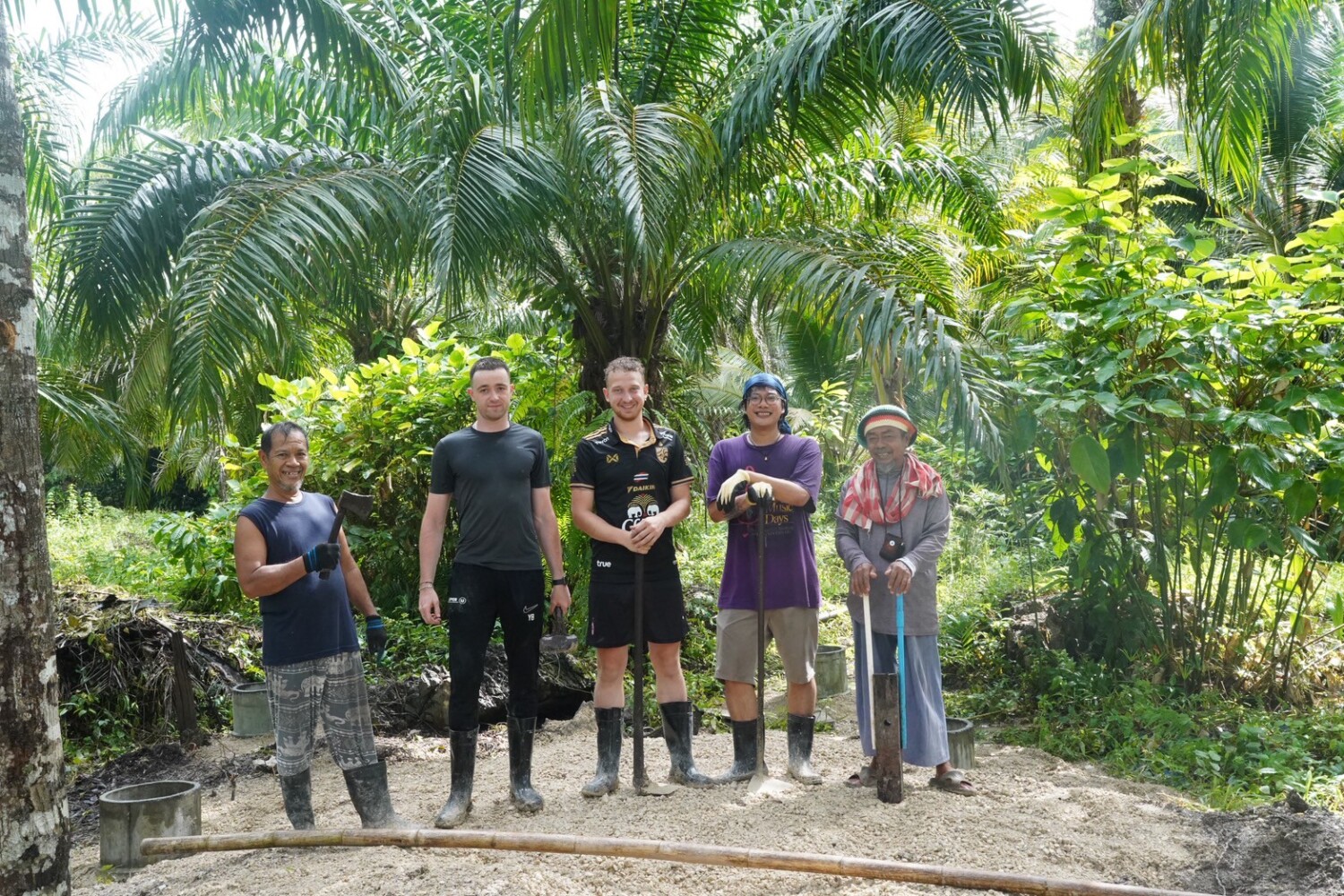
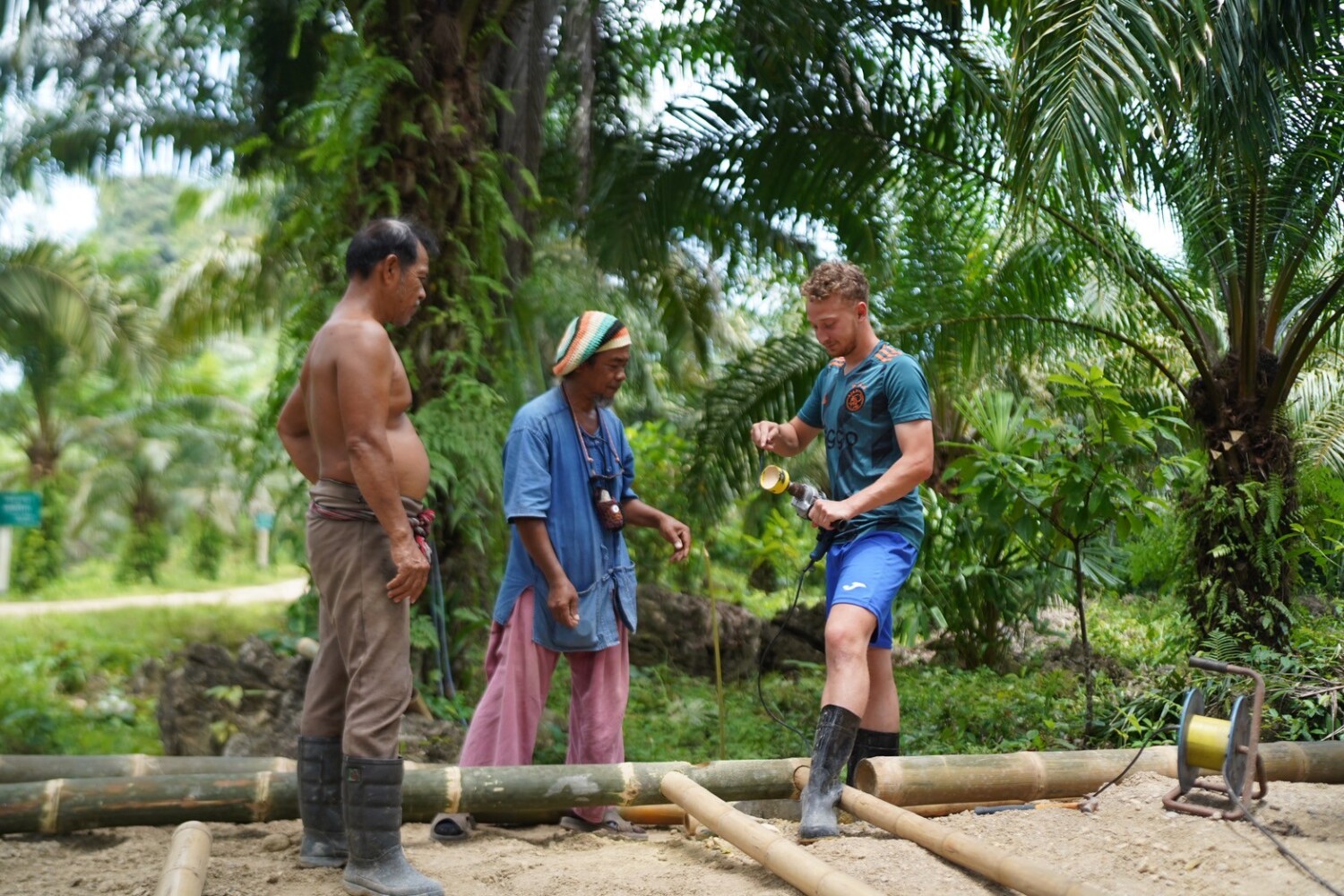
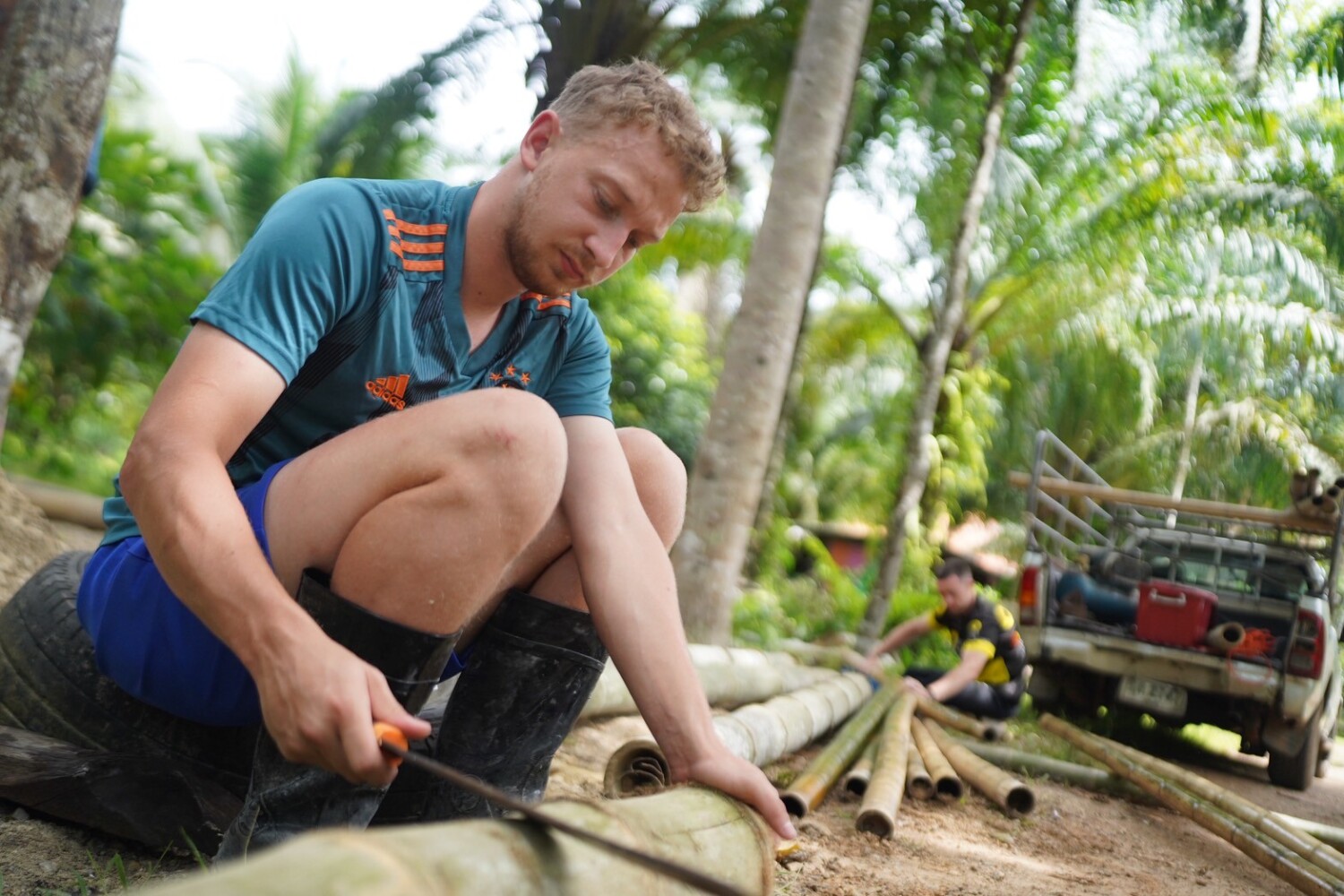
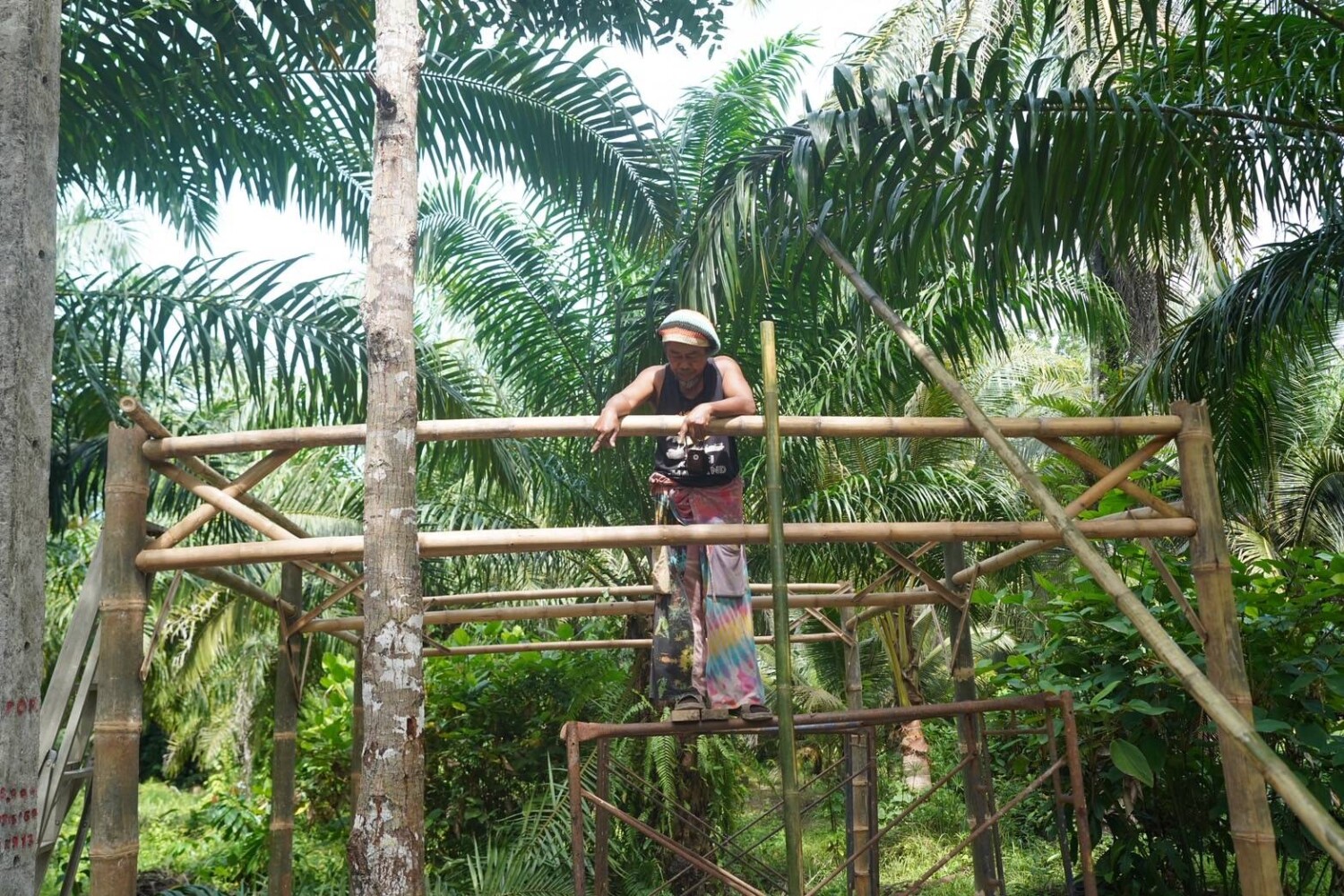
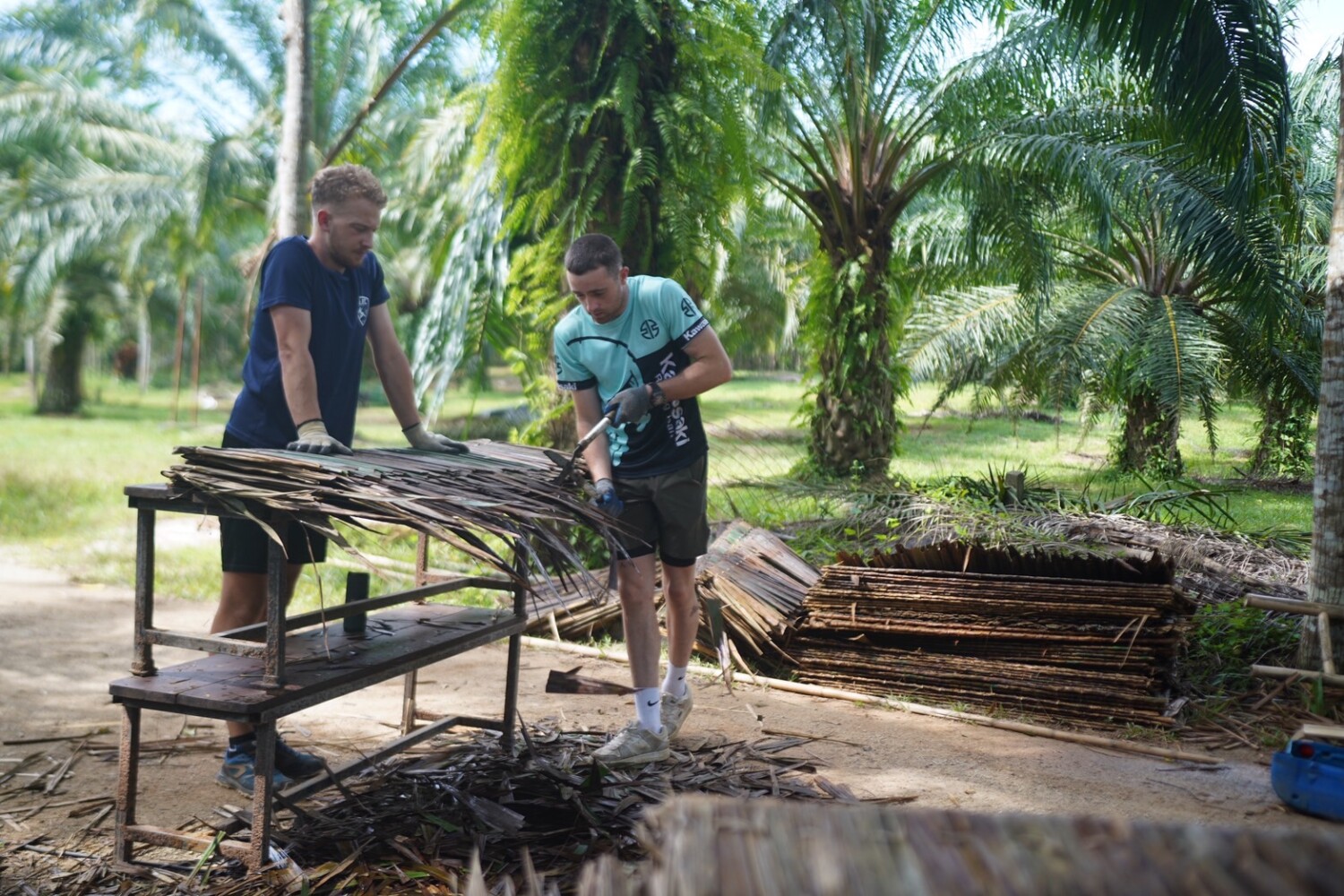
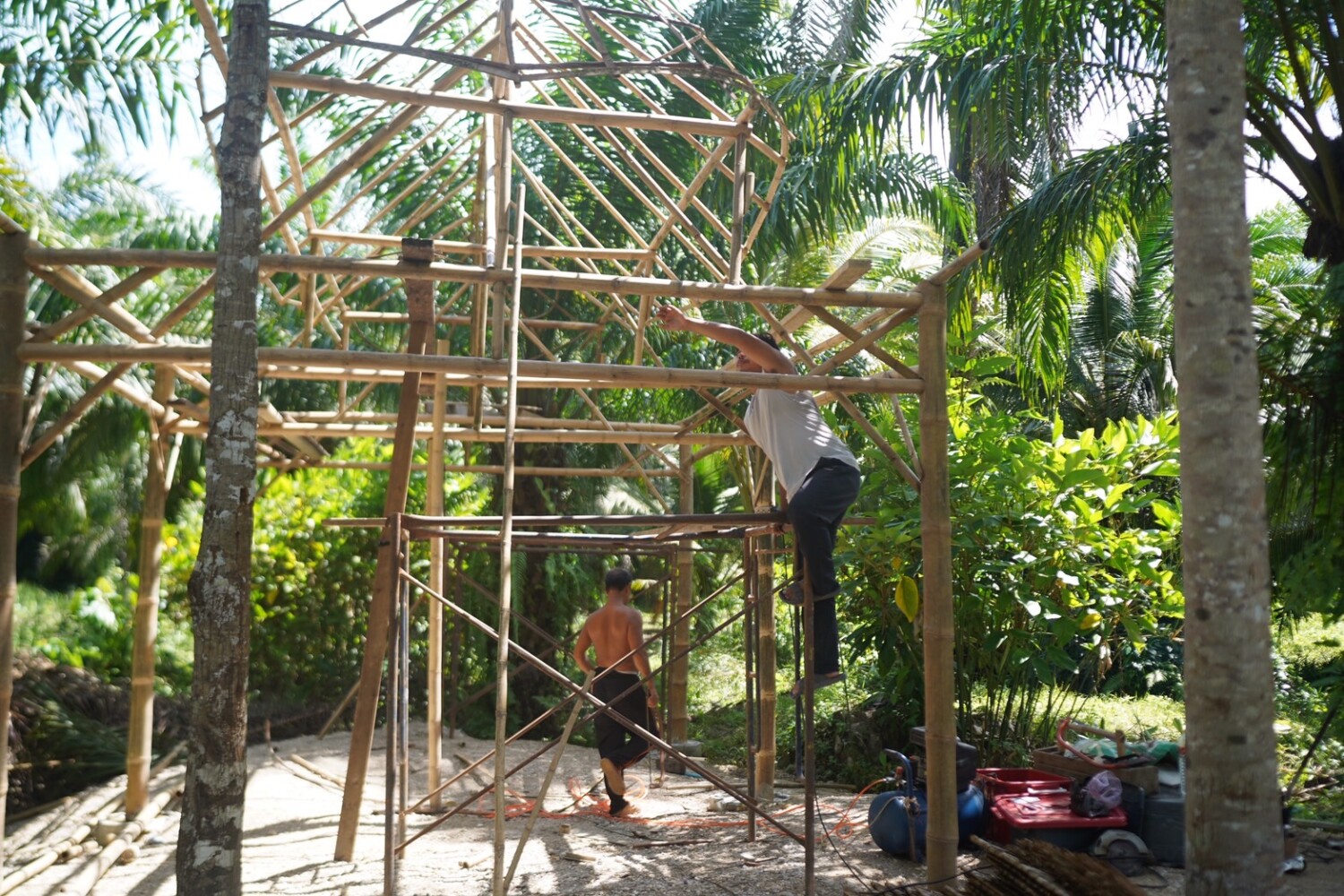
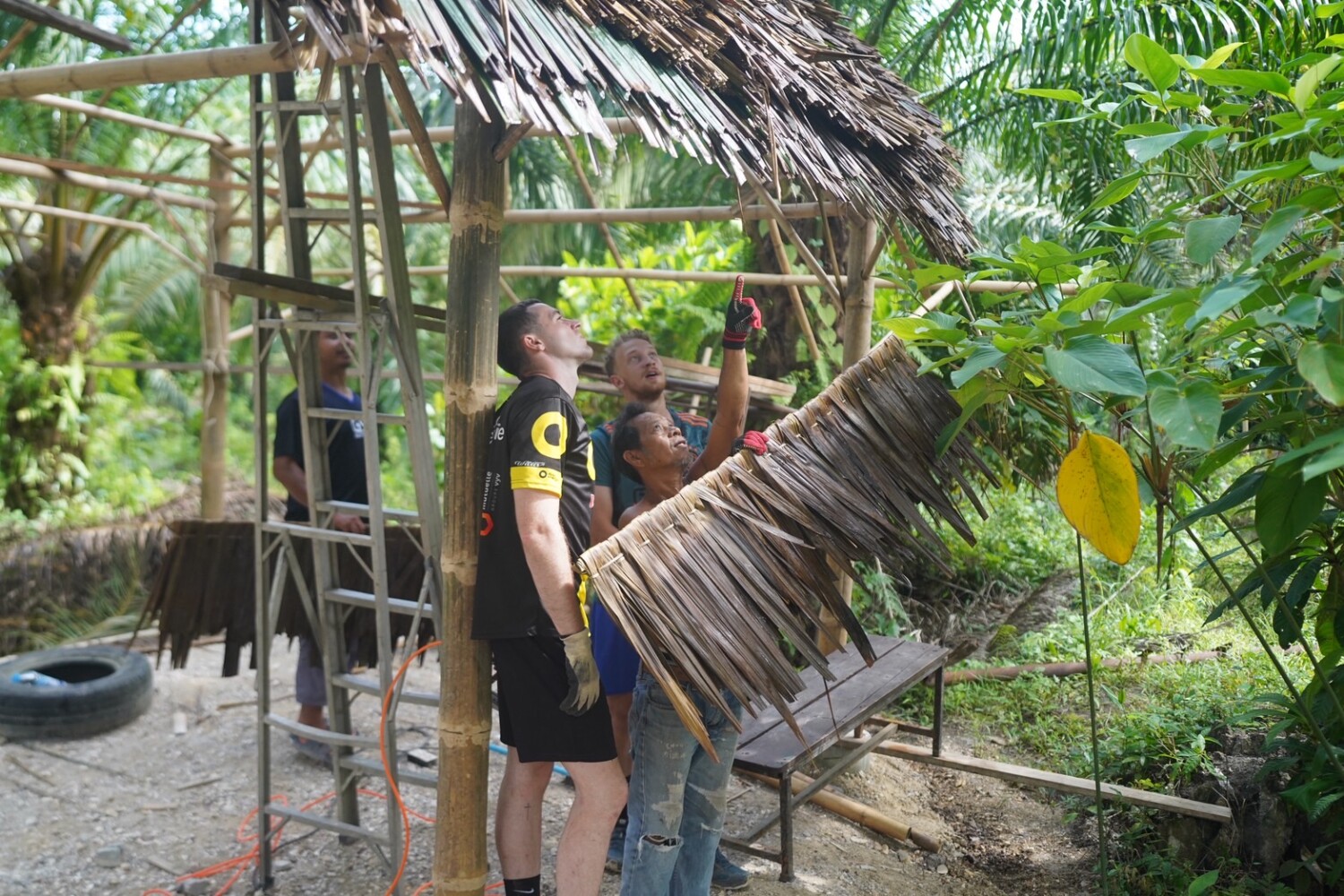
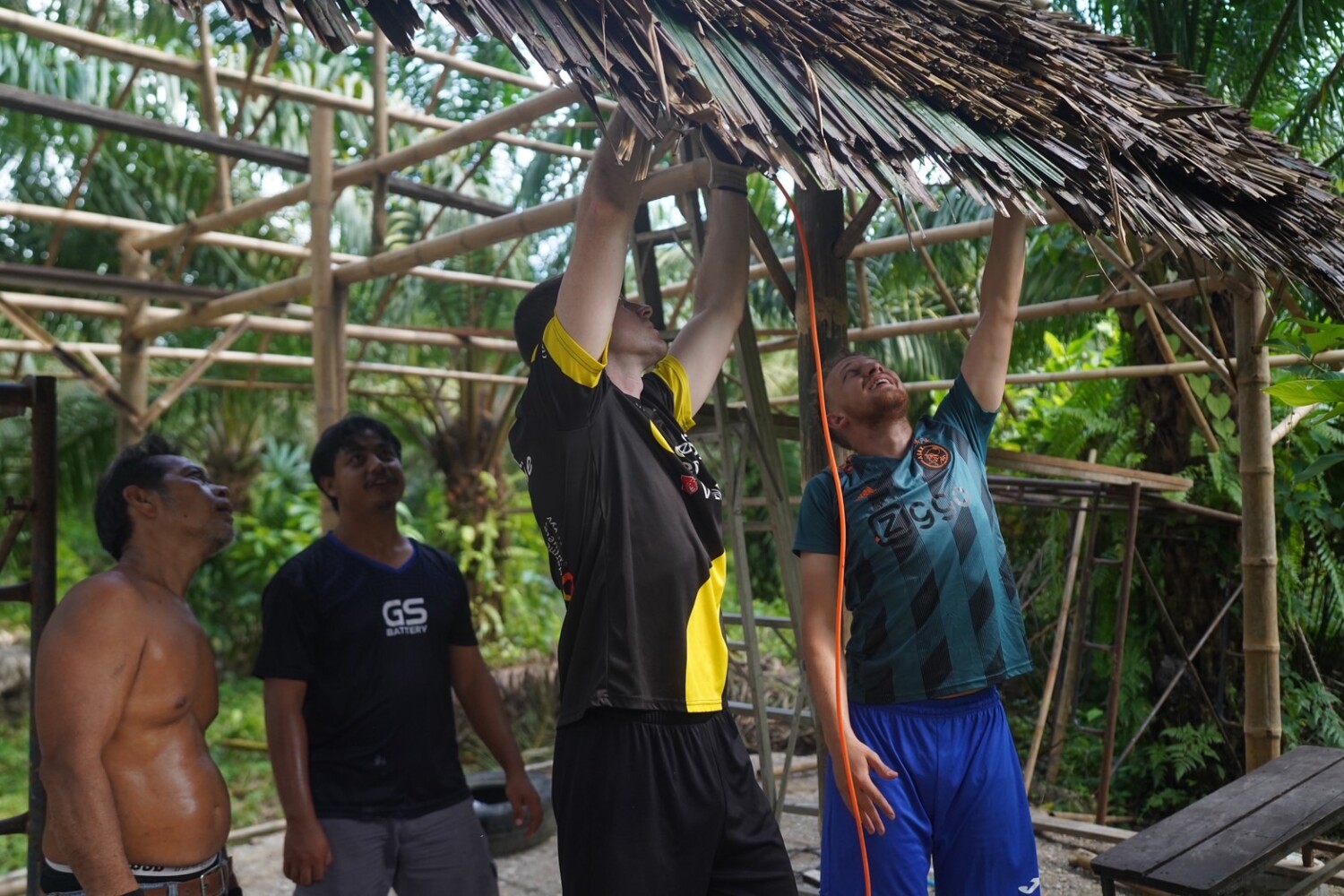
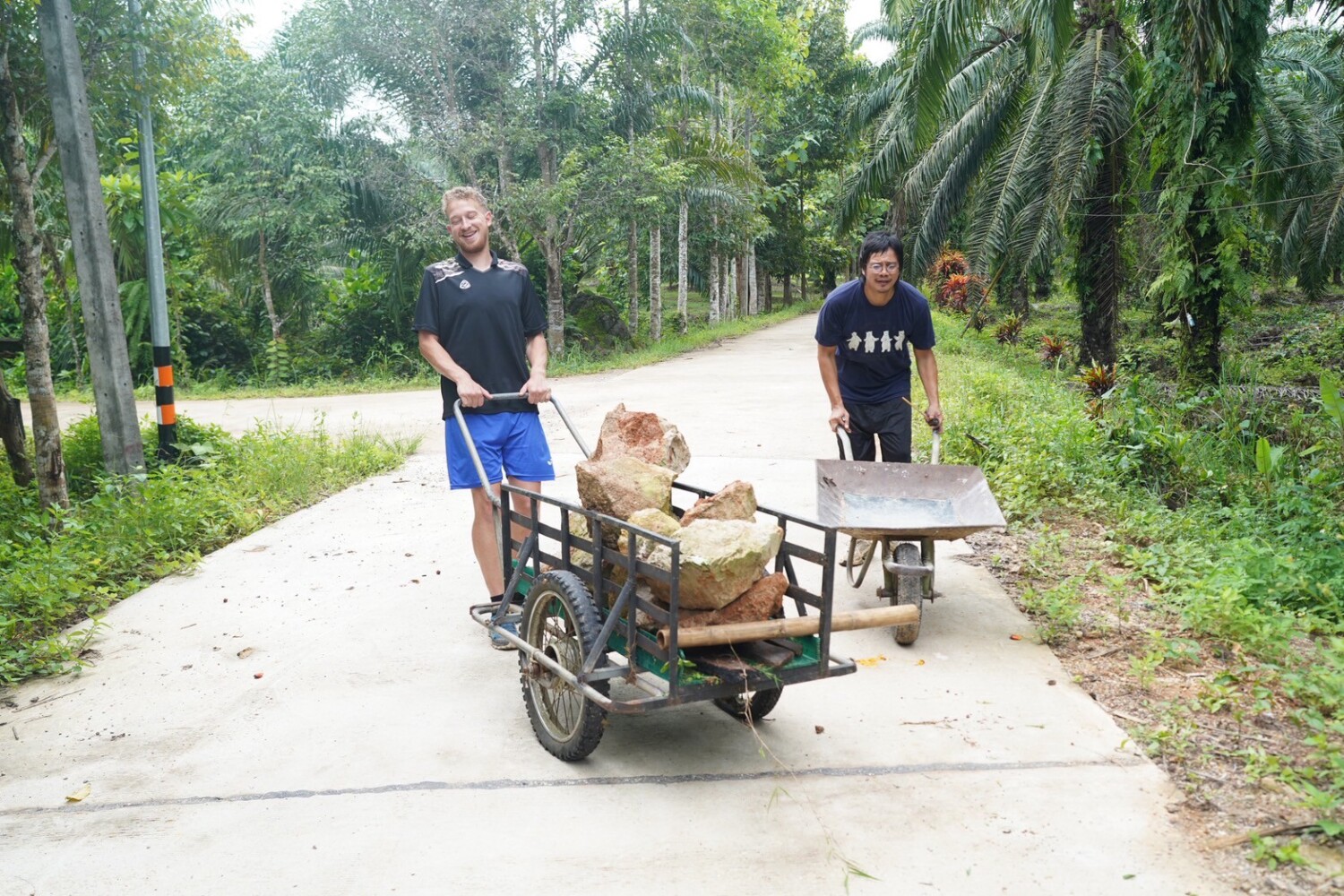
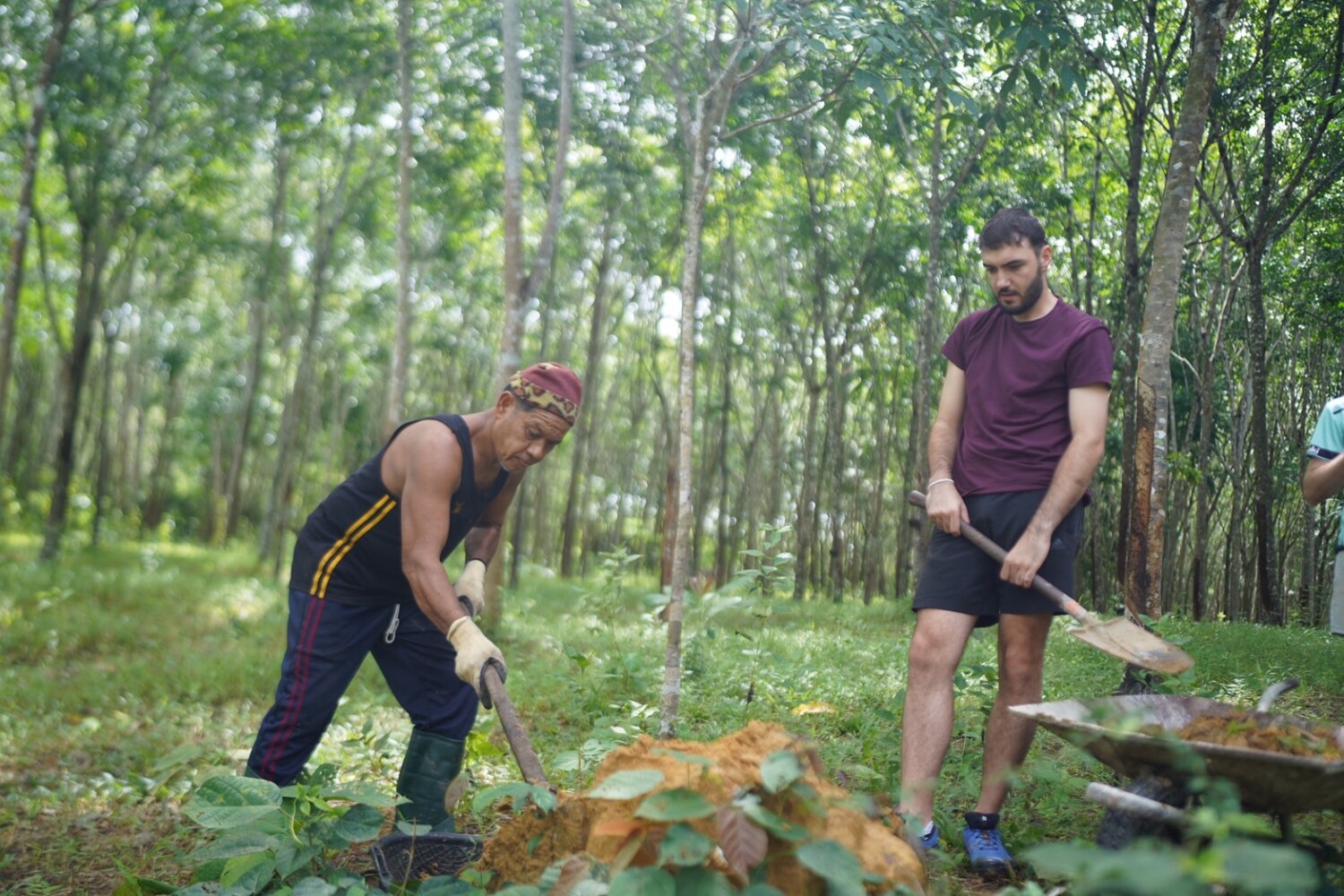
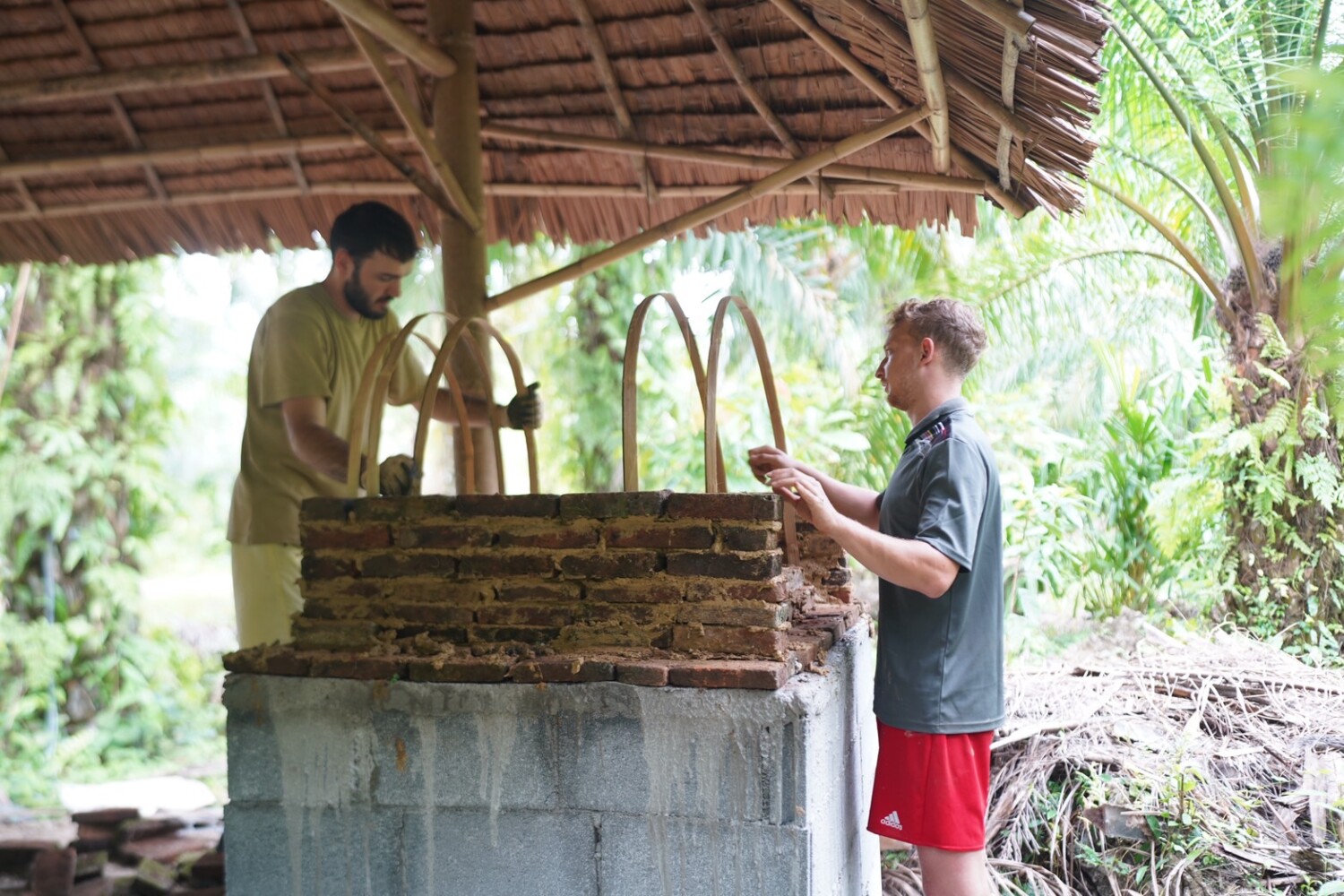
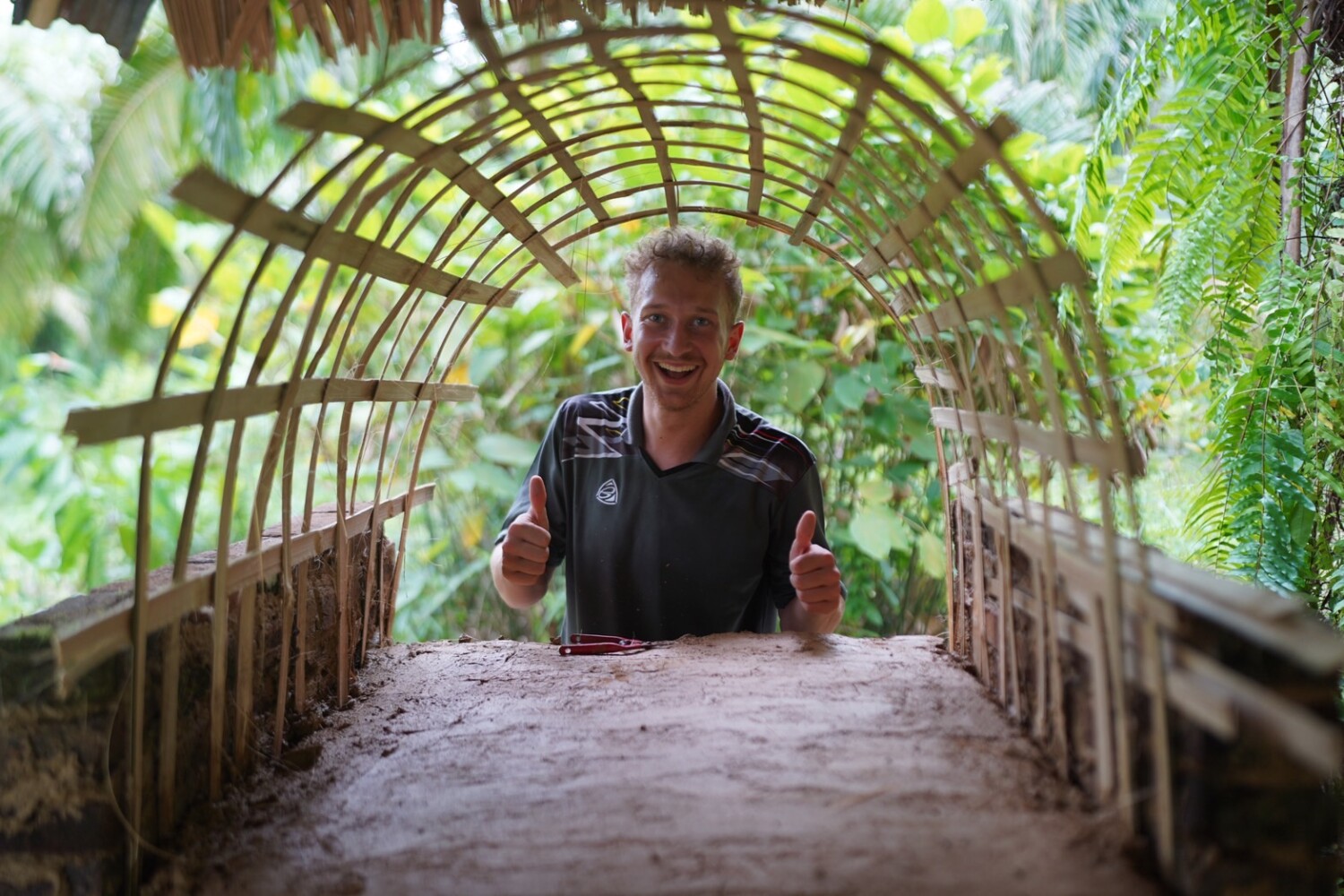
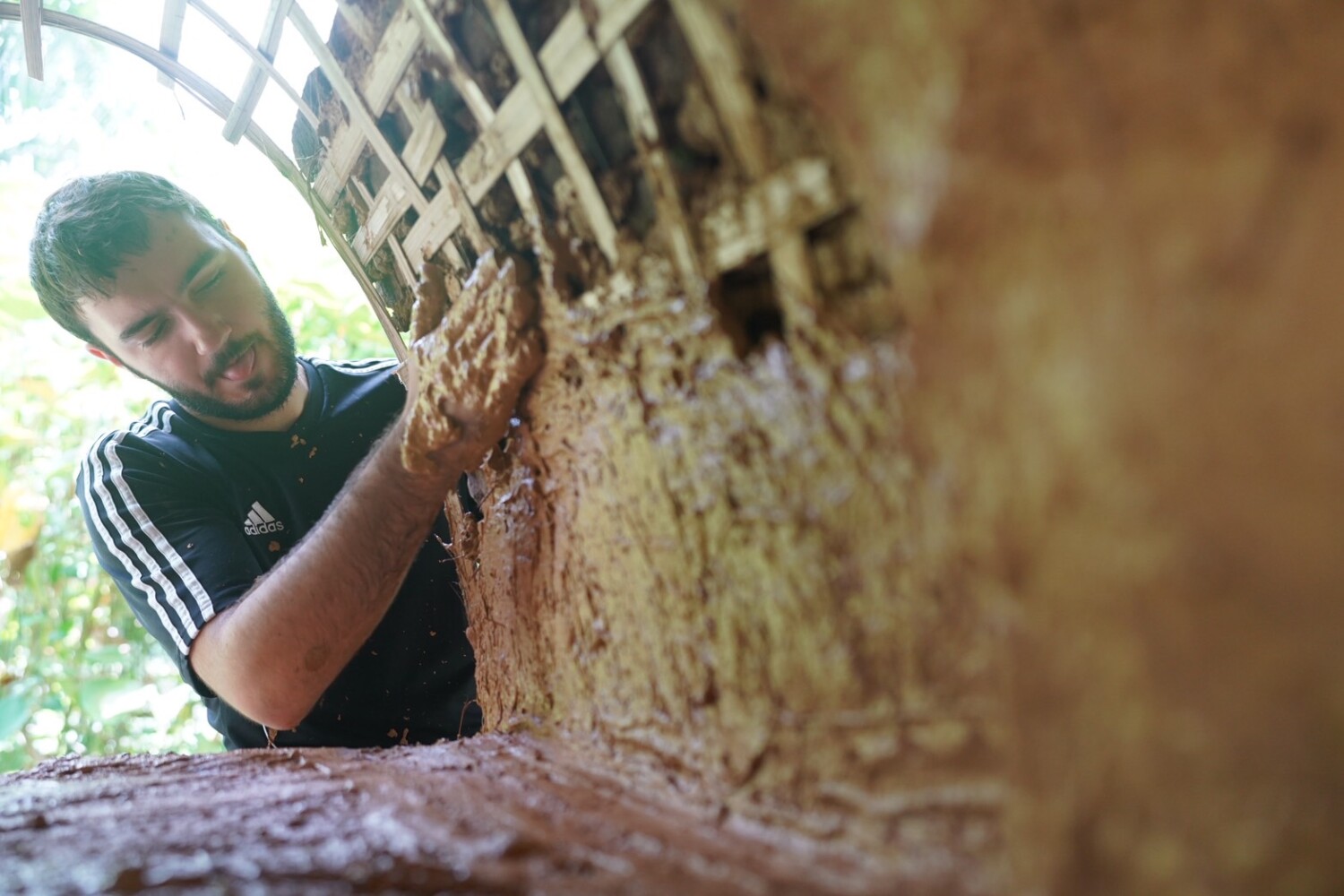
Participants join active construction sites in rural areas of Southern Thailand and work alongside local teams using ecological techniques adapted to the tropical environment. Rather than following a classroom-style course, students become part of ongoing real-life projects and experience the daily reality of eco-construction work in Thailand.
This program combines:
The internship is ideal for students looking for a meaningful experience beyond traditional tourism or academic learning.
.
| Location | Krabi Province, Thailand |
| Duration | 4 to 12 weeks |
| Internship Season | April to November |
| Minimum Participants | 3 students |
| Maximum Participants | 8 students |
| Application Type | Individual or group applications accepted |
| Age Requirement | 20 years old minimum |
| Language Requirement | Intermediate English level |
| Working Days | Usually Monday to Friday |
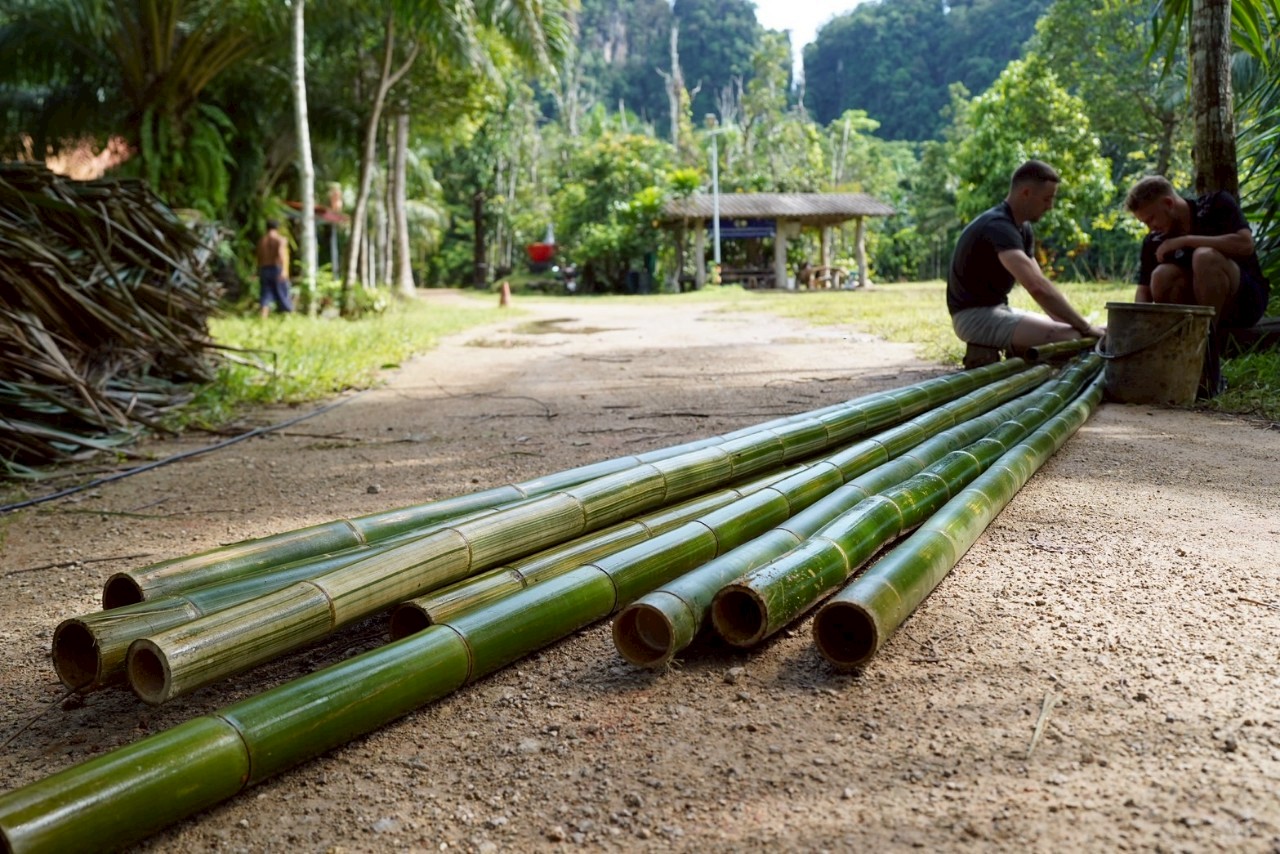
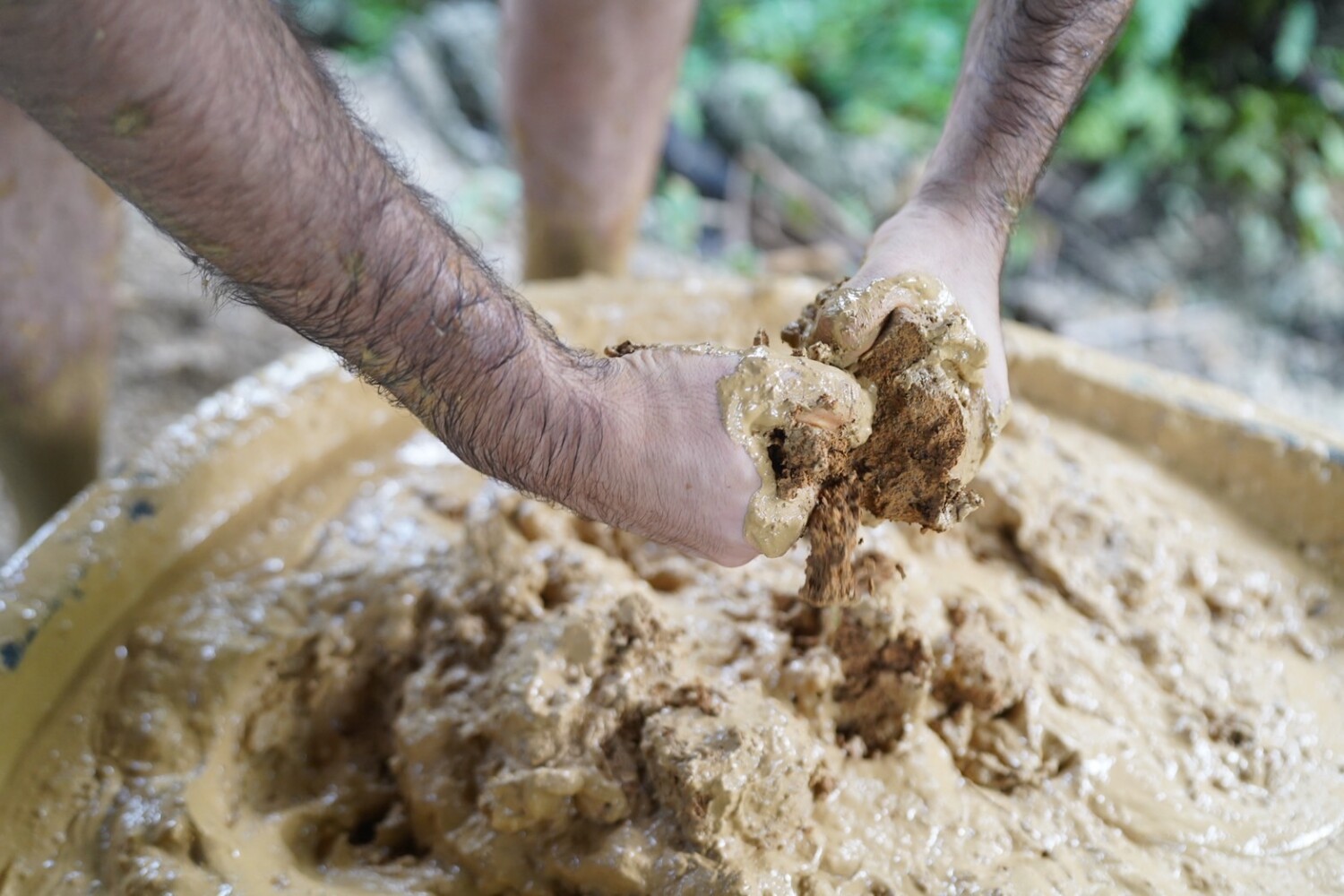
Students participate in ecological construction projects that prioritize low environmental impact and locally available materials.
Depending on the project, participants may work with:
Each project is different and depends on the needs of the local construction site at the time of the internship.
Because the projects move from one location to another every year, students must be comfortable with a flexible environment.
All projects are located within the Krabi area.
.
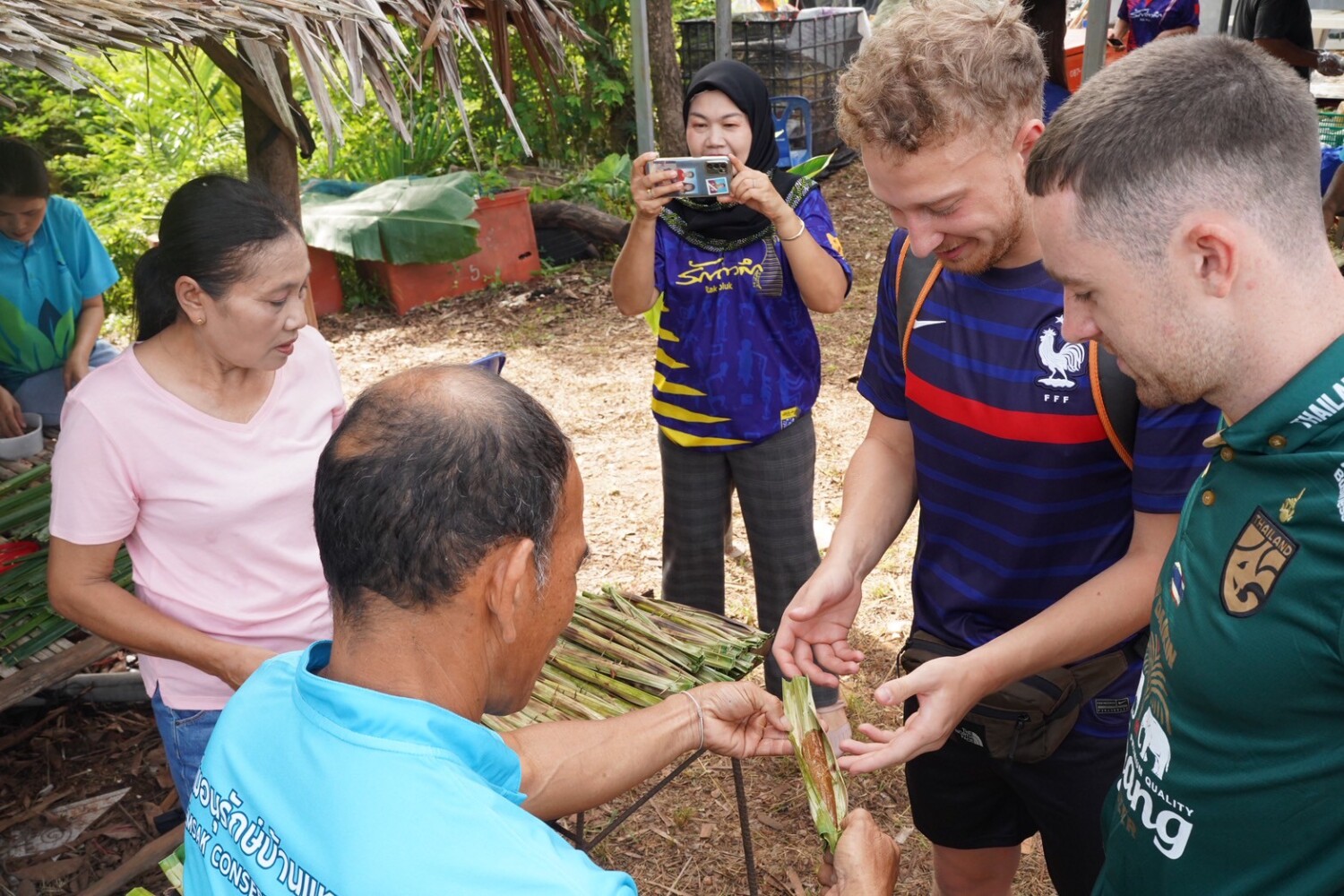
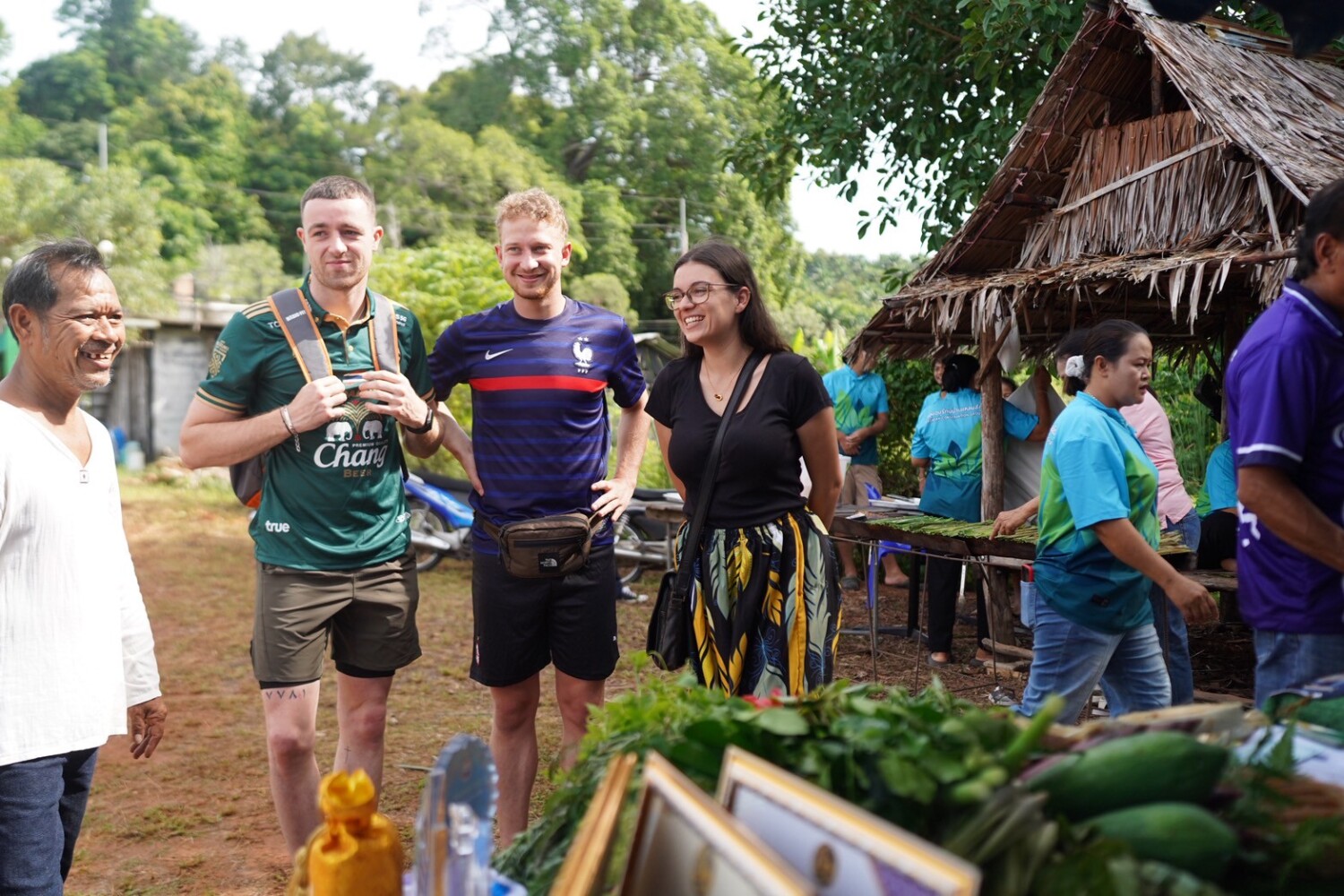
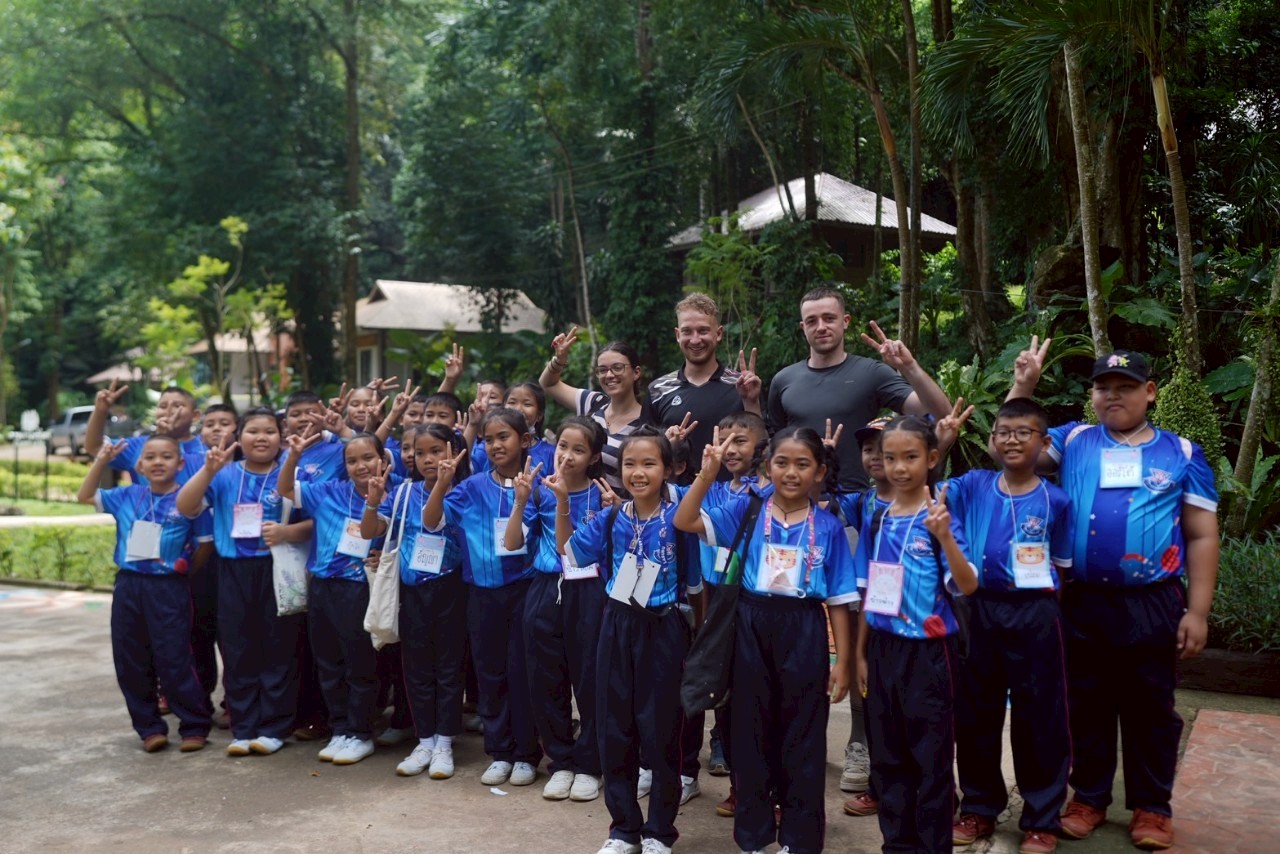
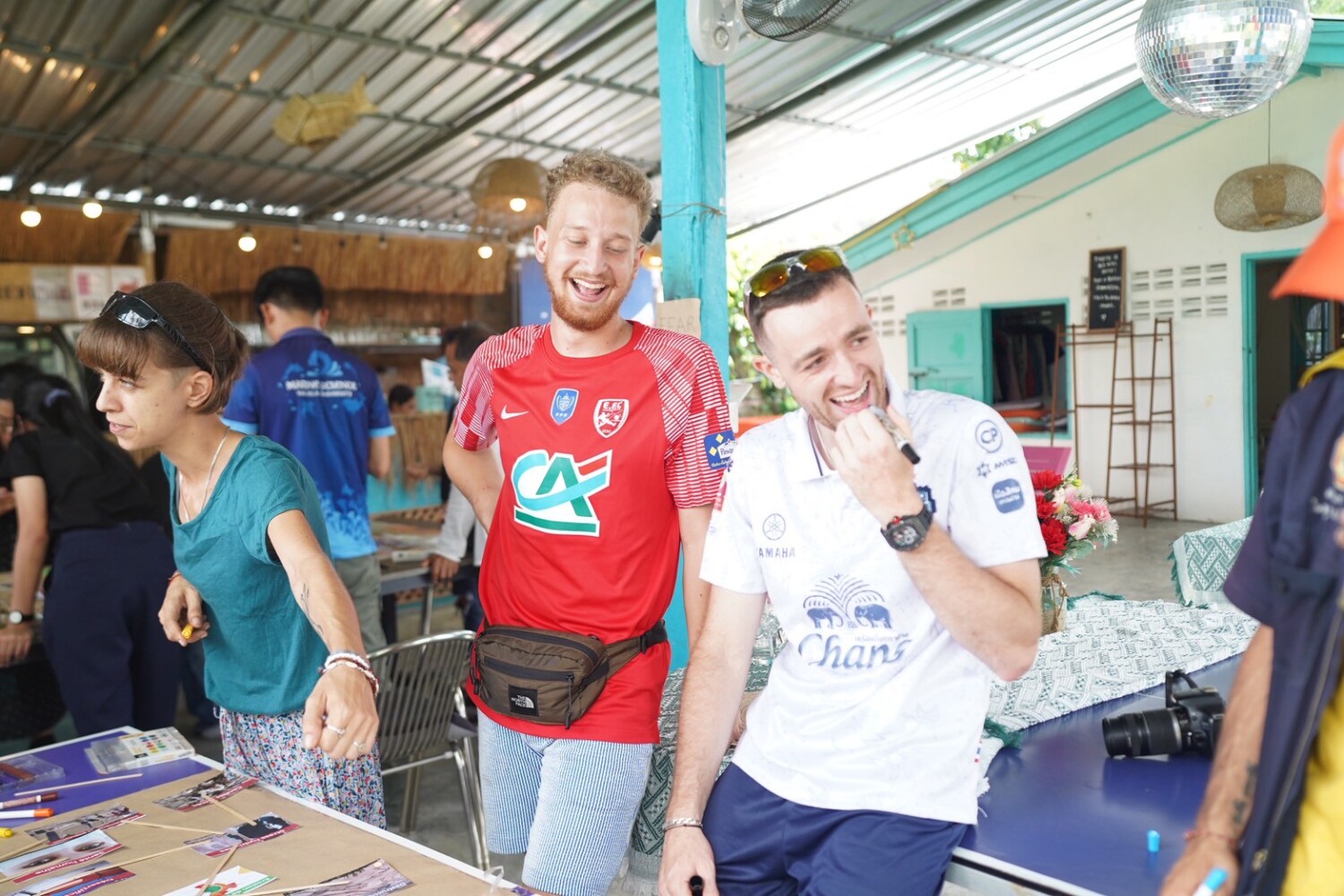
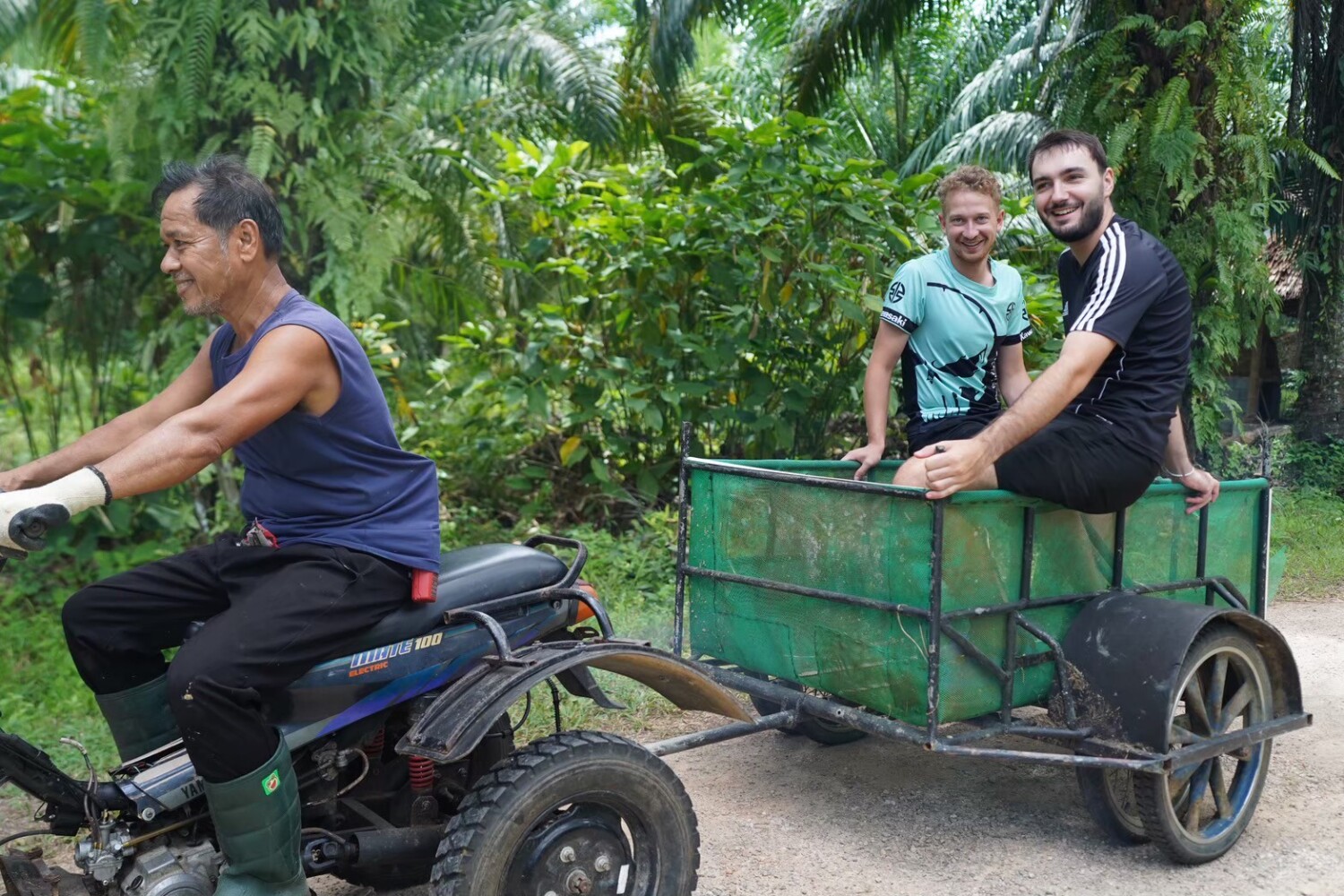
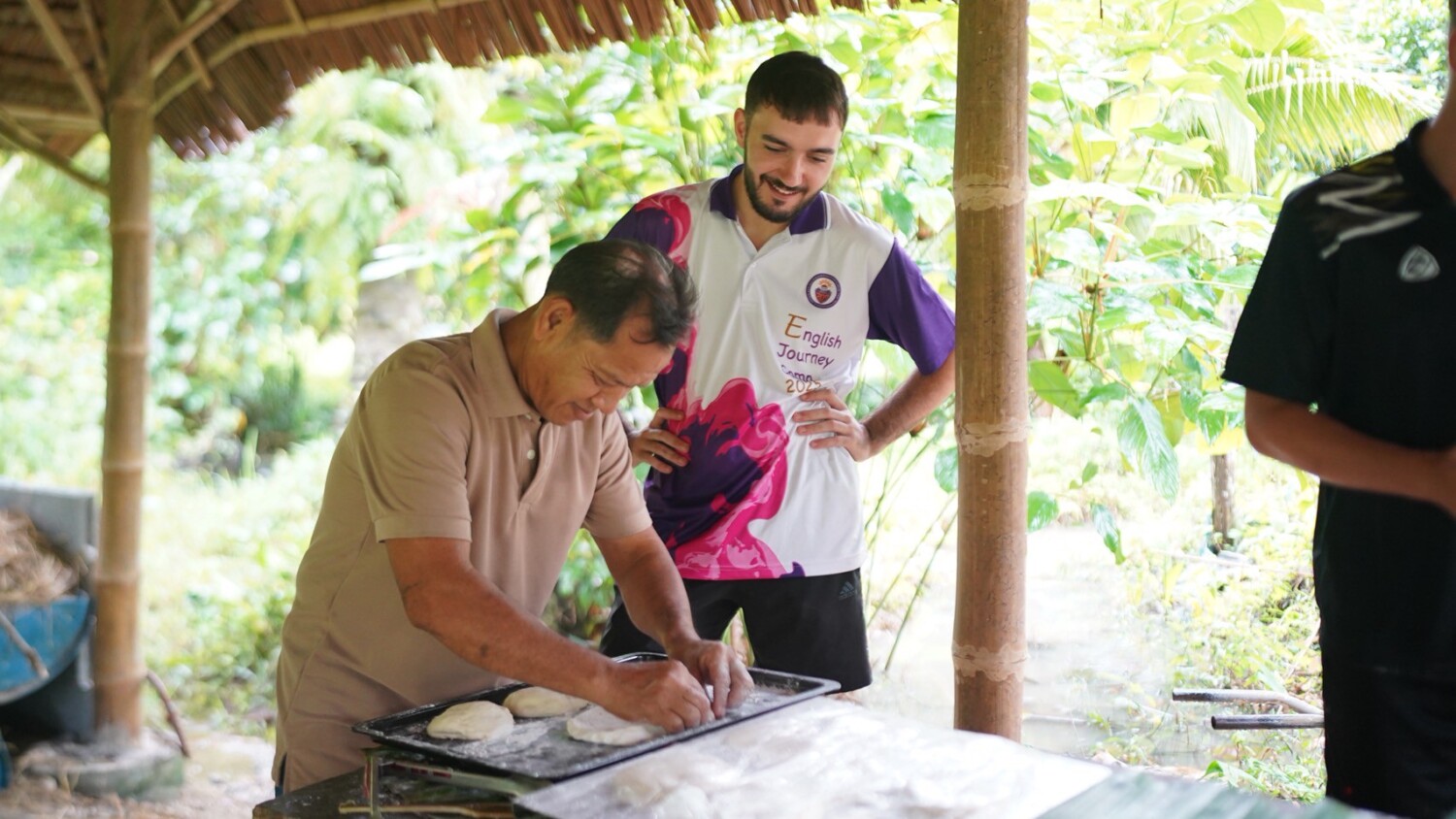
Cultural exchange is one of the most important aspects of this internship.
Students do not simply visit Thailand as tourists. They live close to local communities, share daily life with Thai teams, and experience another way of living and working.
This experience encourages:
The goal is to create a meaningful exchange where students learn from the local community while also sharing their own experiences and perspectives.
.
The internship generally follows a Monday to Friday schedule. However, ecological construction depends heavily on weather conditions and natural building processes.
Certain materials require drying periods, and during the rainy season, outdoor work may occasionally be postponed due to heavy rain.
For this reason:
Students should understand that this is a real construction environment, not a fixed classroom schedule.
.
Students are accommodated in local homestays or guesthouses located close to the construction site in order to reduce daily travel time and allow easier integration into the local environment.
Because each eco-construction project takes place in a different area of Krabi Province depending on the season and the ongoing work, the accommodation location may vary throughout the year. Students should therefore expect a more local and rural living environment rather than a hotel-style residence.
Rooms are simple, clean, and comfortable, and include:
Accommodation is shared between 2 to 3 students per room and separated by gender. Sharing accommodation is also part of the cultural and community experience of the program, encouraging exchange and group living during the internship period.
Private rooms may be available upon request for an additional fee, depending on availability at the time of booking.
Students are encouraged to understand that accommodation standards in rural Thailand may be different from what they are used to in their home country, especially in more remote project locations. However, all accommodations are selected to provide a safe, practical, and comfortable environment during the internship.
.
Breakfast and lunch are included on working days from Monday to Friday.
Meals are generally simple local-style dishes prepared either by local cooks, nearby restaurants, or the accommodation depending on the project location. The goal is also for students to discover part of Thai food culture through daily life in the community.
Lunch is usually eaten together with the working team during the internship day, creating opportunities for interaction and cultural exchange with local workers and instructors.
Vegetarian diets, food allergies, and most dietary restrictions can be accommodated with prior notice before arrival.
Dinner, snacks, drinks, and meals during weekends or free days are not included in the internship fees. Students will have access to local restaurants, markets, or small shops nearby the accommodation depending on the project area.
As some project locations are situated in quieter rural environments, students should expect a more local lifestyle experience rather than a touristic setting.
.
Airport transfer from and to KBV Airport is included on official arrival and departure dates.
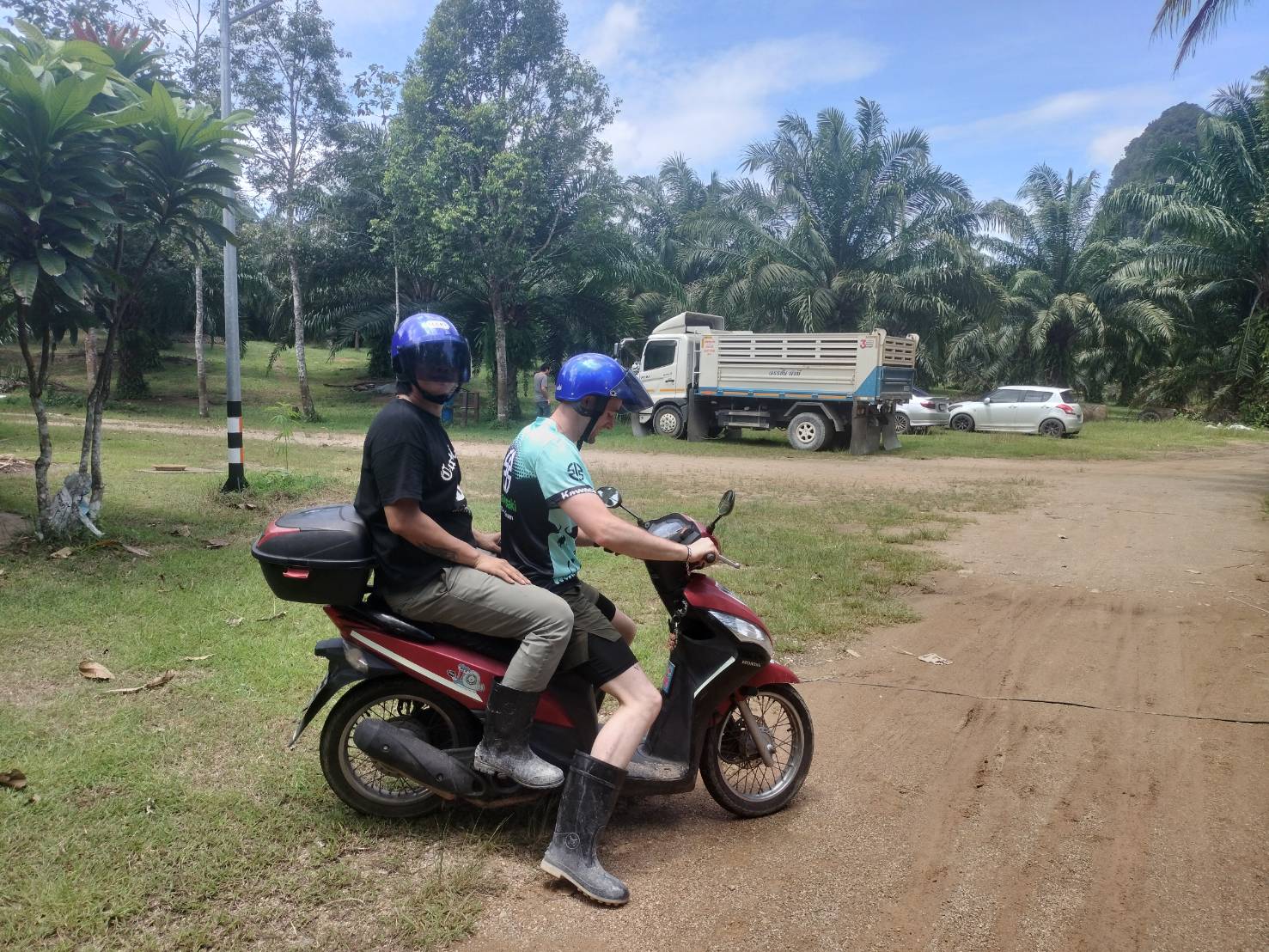
Daily transportation during the internship is not included in the program fees.
Students may:
Transportation assistance between the accommodation and the construction site must be requested in advance during reservation.
.
Applicants must provide:
Students should also have:
This internship is suitable for students who:
The program is designed for students who are curious, adaptable, and motivated to learn through direct experience rather than traditional classroom teaching.
.
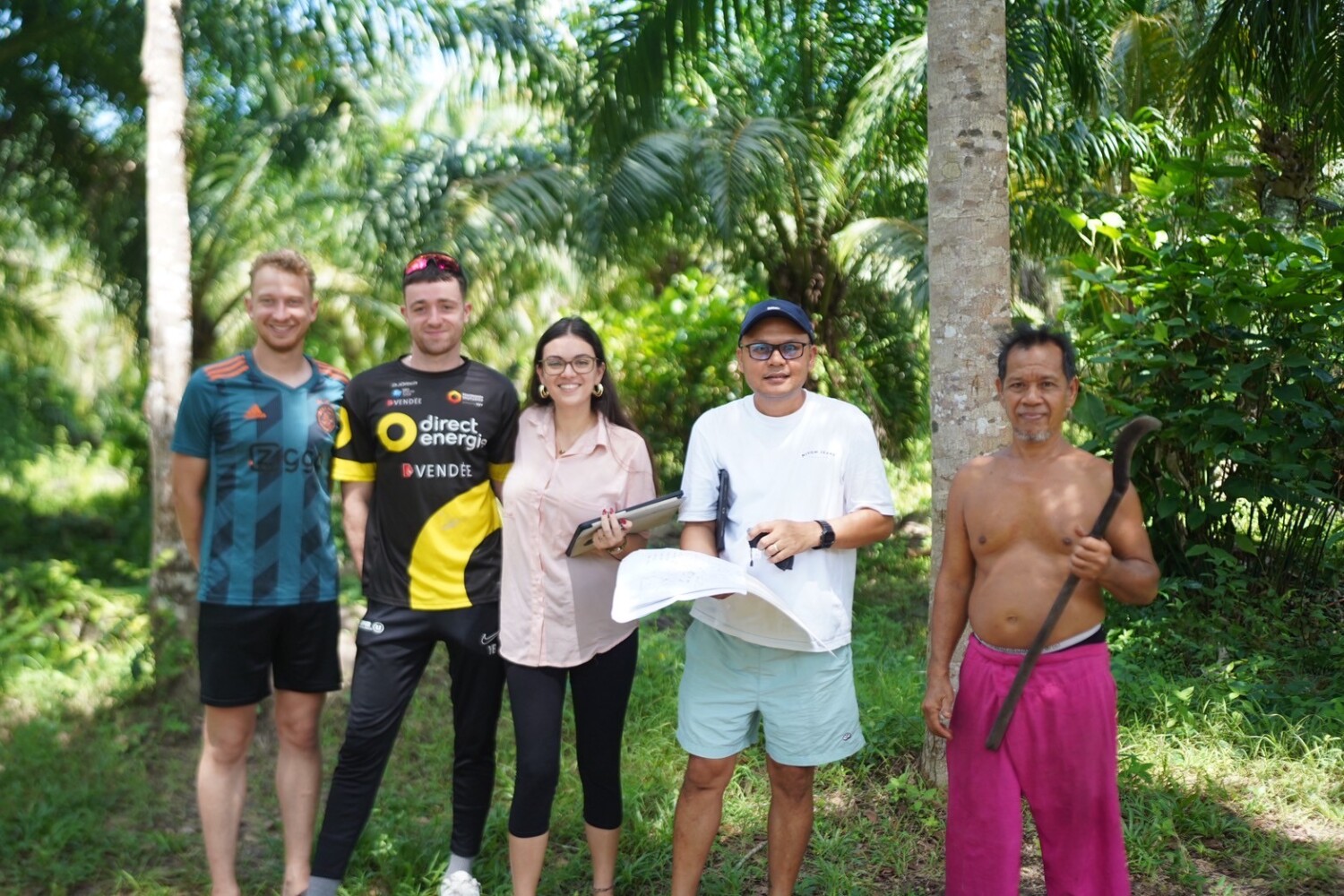
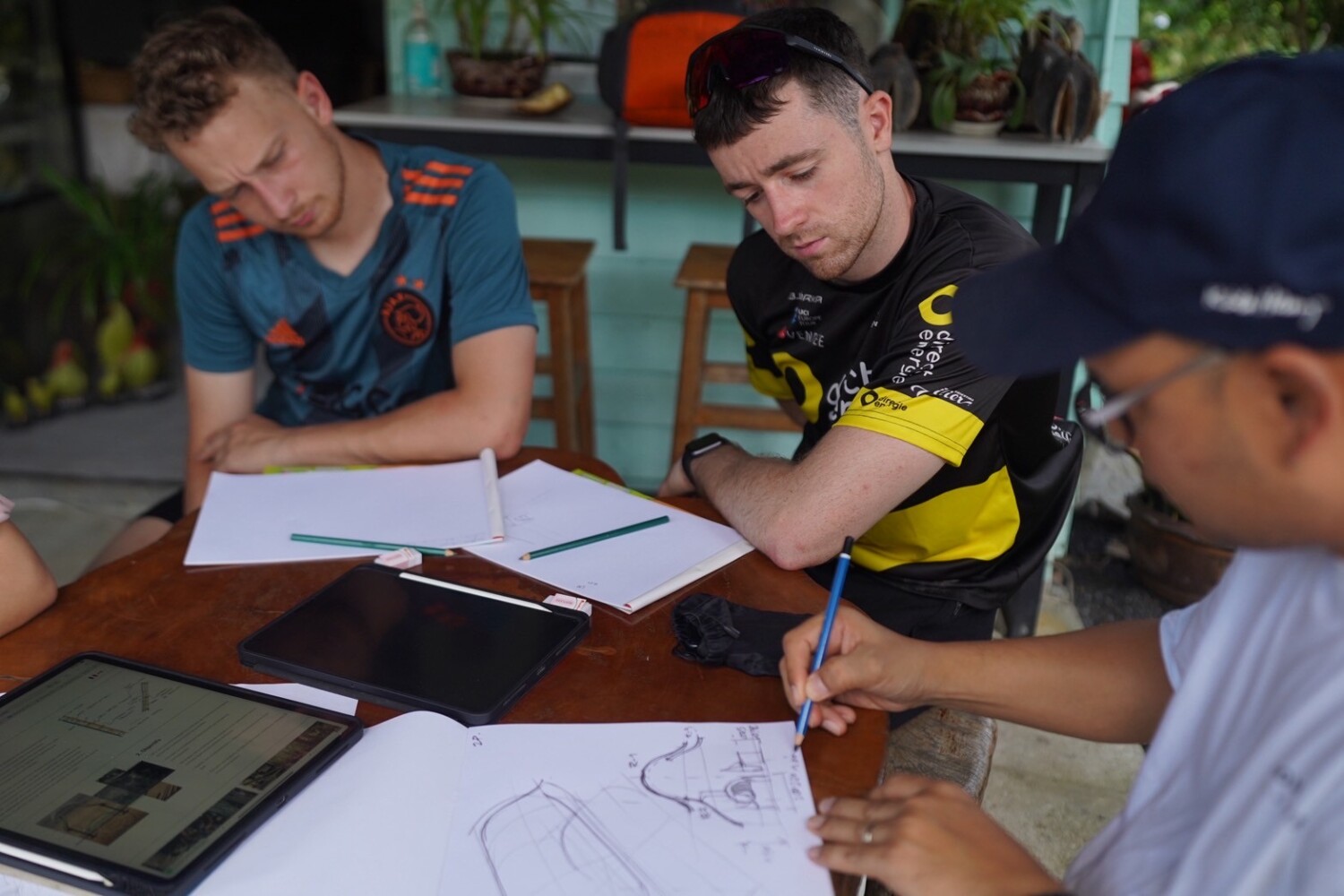
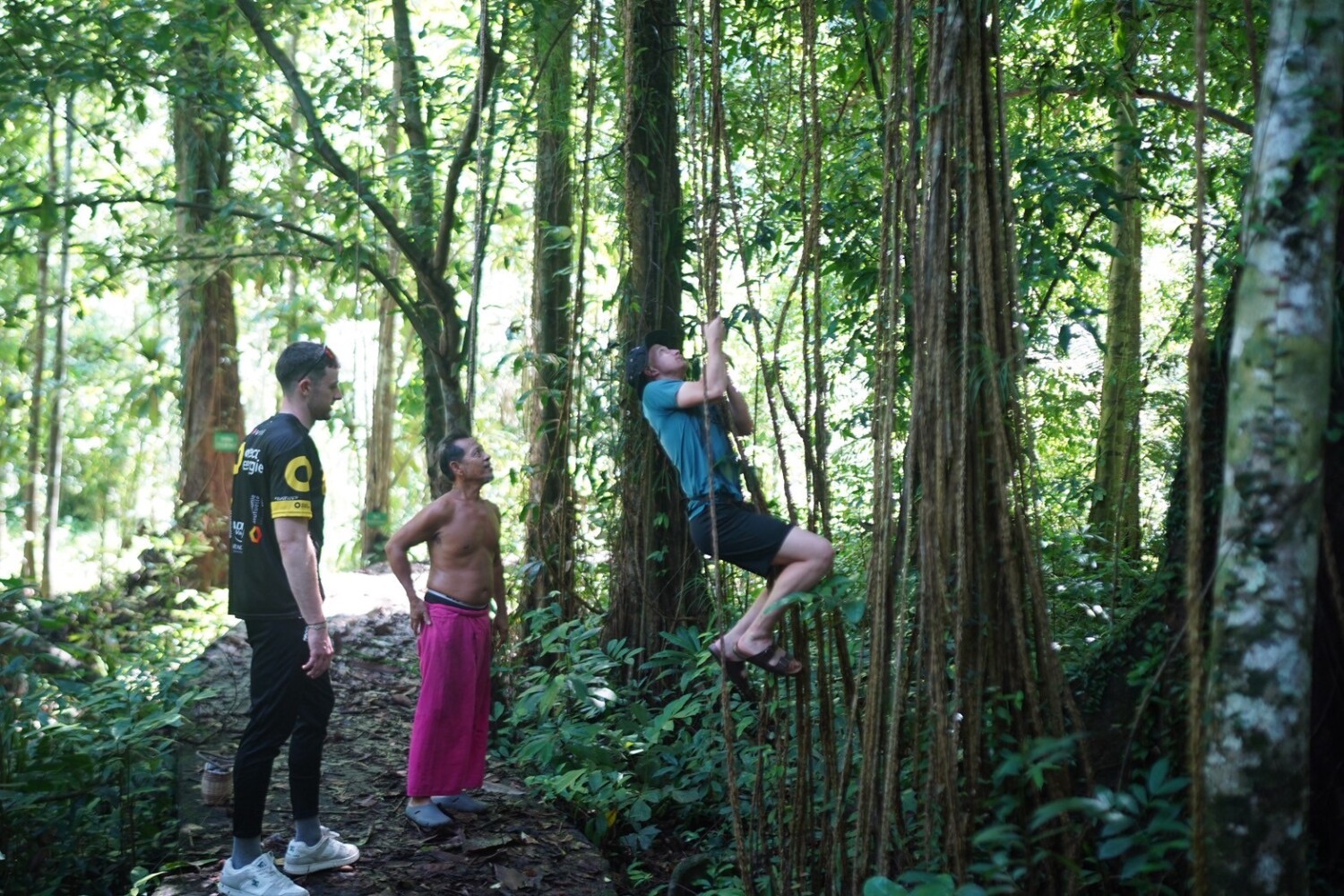





Choose the package that best fits your needs. Both options include the internship, 24/7 assistance and support with the documents required for your internship.
For independent students and volunteers
Our regular package (Recommended)
Thai Spirit Life
Customer Support
Welcome to Thai Spirit Life!
We’re here to help with any questions about our services:
Please feel free to ask about:
* Excursions
* Accommodations
* International Internships
* Transportations
We will get back to you as soon as possible!
WhatsApp Us
🟢 Online | Victoria
WhatsApp Us
We noticed you're visiting from Singapore. We've updated our prices to Singapore dollar for your shopping convenience. Use United States (US) dollar instead. Dismiss